

Tennis · May 16, 2026
Svitolina vs Gauff: Italian Open Final Review
A bruising Rome final rewarded Svitolina’s willingness to attack the decisive moments instead of waiting them out.
Tennis · May 16, 2026
A bruising Rome final rewarded Svitolina’s willingness to attack the decisive moments instead of waiting them out.
Elina Svitolina’s Rome final against Coco Gauff was not only a title match. It was a test of whether a player with a long history at the top of the game could return to a major final and win it with a newer, bolder version of herself. The answer was a three-set performance full of patience, resistance and late authority.
Gauff brought power, athleticism and the expectation that her serve and return game could take over key passages. Svitolina answered by refusing to play only as a survivor. She absorbed pressure, but she also stepped into shots when the match invited risk. That made the difference.
The opening set turned on Svitolina’s ability to reverse pressure. Gauff had chances to create separation, but those chances became a source of frustration when they went unused. Svitolina’s forehand grew more assertive, and her willingness to target the second serve gave her a platform to pull the set back toward her.
The second set carried a different emotional texture. Gauff fought hard enough to force a tiebreak and briefly made the final feel like it might swing back to youth and speed. Yet the longer match became, the more Svitolina’s experience showed. She did not panic when the second set slipped; she reset the terms of the contest.
The defining stretch arrived early in the third set, when Svitolina turned a physically demanding final into a cleaner tactical job. Her shot selection became sharper, and Gauff’s missed opportunities from earlier seemed to linger. The Ukrainian did not need to dominate every rally; she needed to make the important rallies feel heavier for her opponent.
That is exactly what happened. Gauff kept competing, but Svitolina’s control of the decisive moments made the final set move away from her. Rome rewarded the player who handled pressure with more clarity.
Svitolina’s best tactical choice was to avoid becoming passive. In the past, she could sometimes lean too far into safety in big matches. Here, she still defended with discipline, but she also attacked enough to prevent Gauff from dictating every important exchange.
Gauff’s difficulty was conversion. She generated chances, but too often the final ball or the key service point failed to land. Against a player as steady as Svitolina, missed break points are not just statistical waste; they are emotional fuel for the opponent.
For viewers, the final offered a strong sports-review story: an experienced player returning to a major stage not as a nostalgia act, but as someone playing perhaps the most complete version of her game. Svitolina’s win felt earned because it combined old resilience with newer intent.
Gauff’s loss is not a disaster, but it gives her a clear area to revisit before the next major stage. The match was close enough to show her level, but also clear enough to show why finals demand ruthless conversion.
Svitolina’s Italian Open win was a match of nerve, adjustment and self-trust. She did not simply wait for Gauff to miss; she built pressure until Gauff’s missed chances became part of the final’s pattern.
The result gives Rome a strong comeback chapter: a former champion returning after years away from this tier of success and winning the title with a game that looked renewed rather than preserved.

Further reading
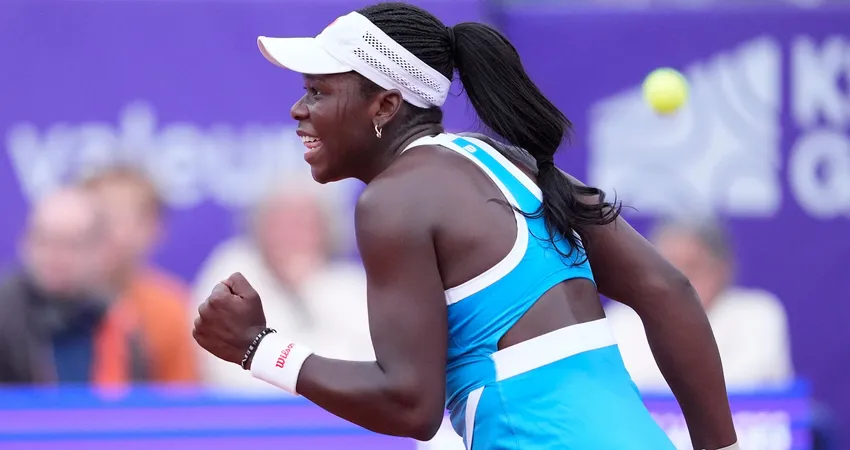
A rewritten event review of Victoria Mboko’s Strasbourg quarterfinal win over Leylah Fernandez, focused on tempo, recovery and the pressure of a national matchup on clay.
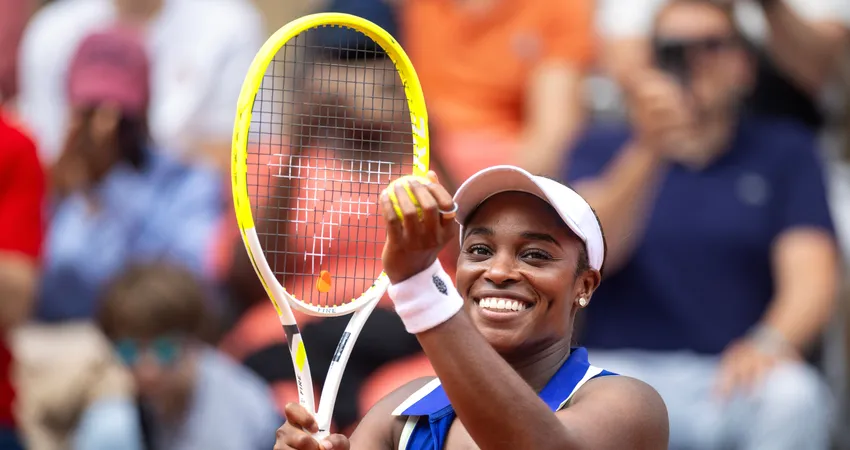
A rewritten review of Sloane Stephens’ comeback win in Roland-Garros qualifying and the meaning of another main-draw return in Paris.
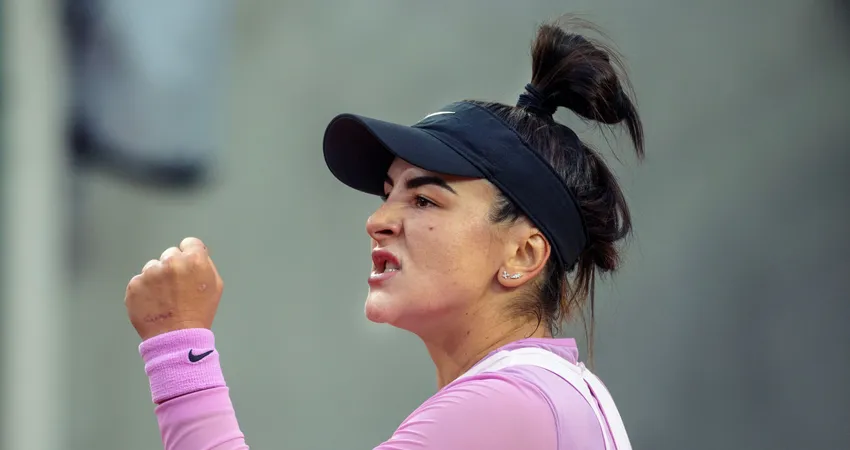
A rewritten review of Bianca Andreescu’s controlled qualifying win and Karolina Pliskova’s comeback route at Roland-Garros qualifying.