

Tennis · May 21, 2026
Sloane Stephens: Roland-Garros Qualifying Comeback Review
A former finalist returned to the Paris main draw by working through a first-set wobble instead of chasing the match emotionally.
Tennis · May 21, 2026
A former finalist returned to the Paris main draw by working through a first-set wobble instead of chasing the match emotionally.
Qualifying matches rarely carry the glamour of main-draw tennis, but Sloane Stephens’ path back into Roland-Garros made this one feel larger. Paris has been one of the places where her game has historically made sense, and the chance to return through qualifying added a layer of professional resilience.
The match also asked a simple question: could Stephens still use experience as an advantage when the first set moved away from her? The answer came not through a sudden burst, but through a slower reordering of the rally pattern.
Leyre Romero Gormaz started with enough control to make Stephens play from behind. The American did not immediately look comfortable, and the first set reflected the kind of clay-court match where hesitation becomes expensive very quickly.
From the second set, Stephens began to make the court feel wider. She gave herself more time, reduced the number of loose exchanges and used veteran patience to make Romero Gormaz defend points for longer than she wanted.
The defining stretch came early in the second set, when Stephens stopped treating the scoreboard as a panic point. Once she accepted the longer rallies, her timing improved and the match turned from a chase into a controlled rebuild.
By the final set, the pressure had flipped. Romero Gormaz was no longer protecting an advantage; she was trying to prevent Stephens from completing a comeback that had already started to feel inevitable.
The win did not answer every question about Stephens’ current ceiling, but it delivered the most important outcome: another Paris main-draw appearance earned through work, not reputation.
As a review, the match reads as a veteran reset. Stephens lost the first layer of the contest, adjusted the second and controlled the third. That is exactly the kind of sequence qualifying tennis rewards.

Further reading
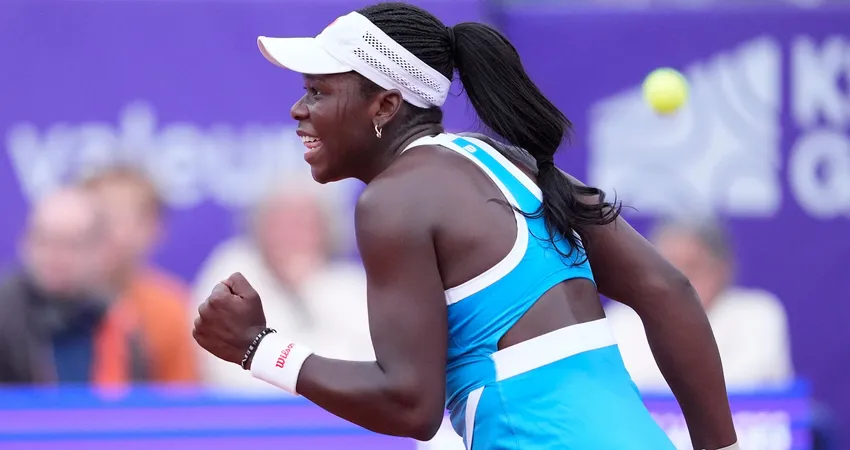
A rewritten event review of Victoria Mboko’s Strasbourg quarterfinal win over Leylah Fernandez, focused on tempo, recovery and the pressure of a national matchup on clay.

A rewritten review of Bianca Andreescu’s controlled qualifying win and Karolina Pliskova’s comeback route at Roland-Garros qualifying.
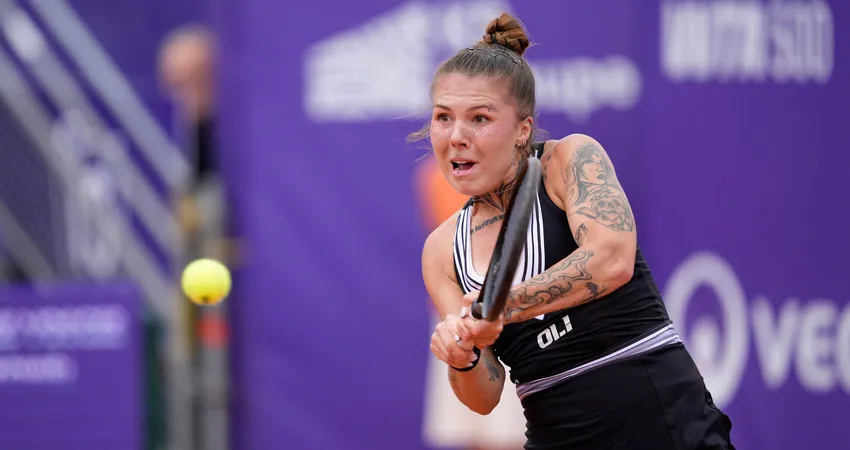
A rewritten review of Oleksandra Oliynykova’s comeback against Alexandra Eala in Strasbourg, focused on variety, pressure and emotional context.