
Tennis · May 19, 2026
Andreescu and Pliskova: Roland-Garros Qualifying Reset Review
Two familiar names used Paris qualifying to remind the draw that reputation still needs to be backed by match rhythm.
Tennis · May 19, 2026
Two familiar names used Paris qualifying to remind the draw that reputation still needs to be backed by match rhythm.
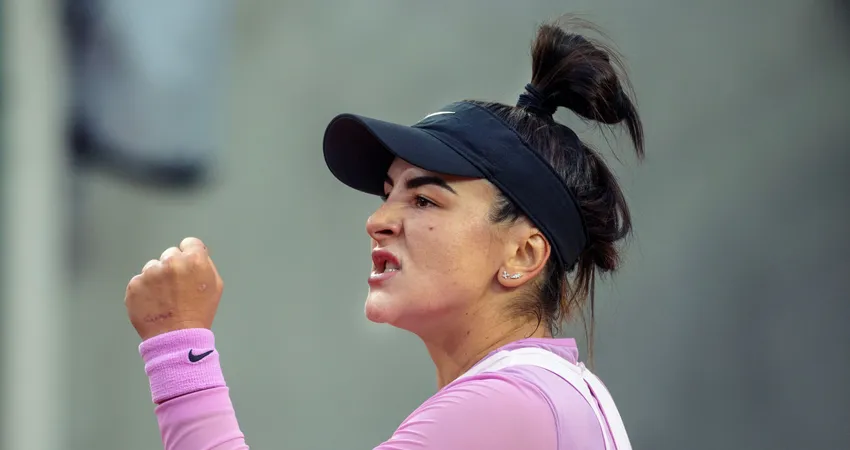
Roland-Garros qualifying can be a harsh place for established names. Reputation may draw attention, but it does not protect a player from early nerves, difficult conditions or opponents with nothing to lose. That is what made Bianca Andreescu and Karolina Pliskova interesting on the same qualifying slate.
Andreescu’s match offered calm control. Pliskova’s match offered recovery. Together, they created two different versions of the same theme: a player with history still has to earn entry into the next round through the small details of point construction.
Andreescu’s win was the more straightforward event to read. She kept the rally shape under control, trusted her shot variation and did not allow the contest to become the kind of qualifying scramble that can punish loose concentration.
Pliskova’s route was more unstable. Dropping the first set heavily forced her to rebuild from a position where the scoreboard was already asking uncomfortable questions. Her response mattered because it showed she could still simplify a match under immediate pressure.
For Andreescu, the defining stretch was the phase where she established that the match would be played at her pace. She did not need a spectacular sequence; she needed repeatable control, and that is what separated her from danger.
For Pliskova, the turning point was emotional as much as technical. After a one-sided opening set, she stopped allowing the match to race away and began using serve placement, cleaner first balls and steadier court position to pull the contest back toward her strengths.
This qualifying day was less about star power and more about readiness. Andreescu looked like a player who had prepared for the practical demands of clay qualifying. Pliskova looked like a player who survived the rougher version of the same test.
Both stories are useful for the main event. Andreescu’s control suggests she can make noise if the draw opens. Pliskova’s comeback suggests there is still enough problem-solving left to make her dangerous when matches become uneven.
Further reading
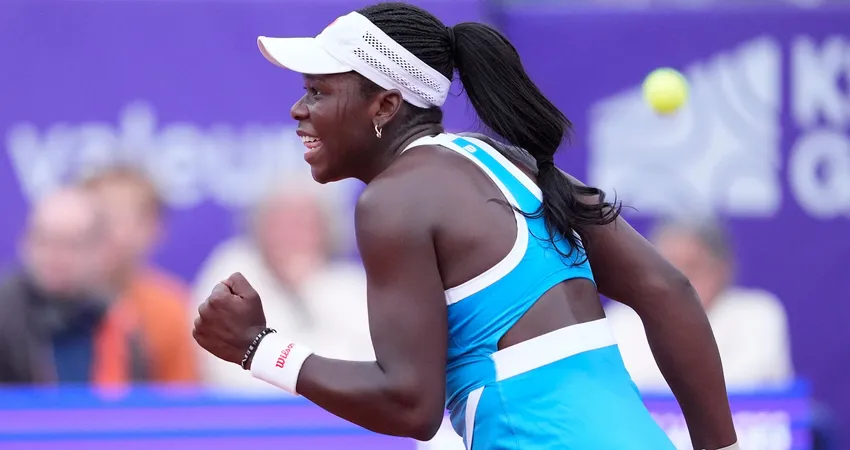
A rewritten event review of Victoria Mboko’s Strasbourg quarterfinal win over Leylah Fernandez, focused on tempo, recovery and the pressure of a national matchup on clay.
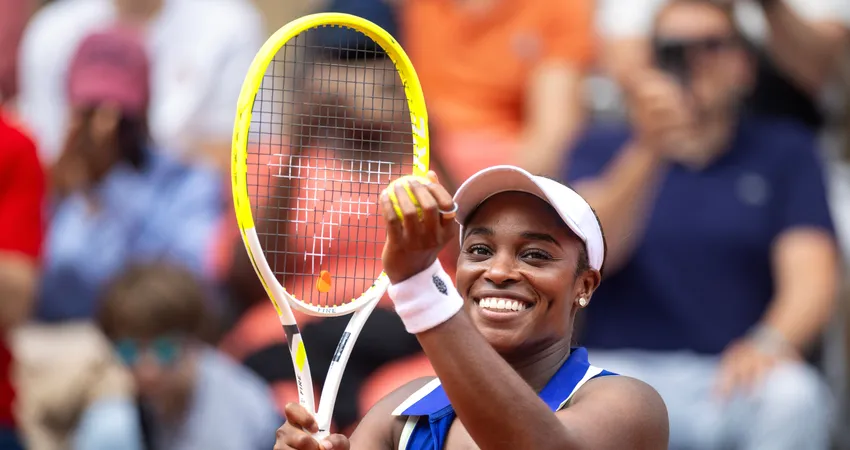
A rewritten review of Sloane Stephens’ comeback win in Roland-Garros qualifying and the meaning of another main-draw return in Paris.
A rewritten review of Oleksandra Oliynykova’s comeback against Alexandra Eala in Strasbourg, focused on variety, pressure and emotional context.