
Tennis · May 03, 2026
Sinner vs Zverev: Madrid Open Final Review
A marquee final became a 57-minute statement as Sinner turned control into a record-setting rout.
Tennis · May 03, 2026
A marquee final became a 57-minute statement as Sinner turned control into a record-setting rout.
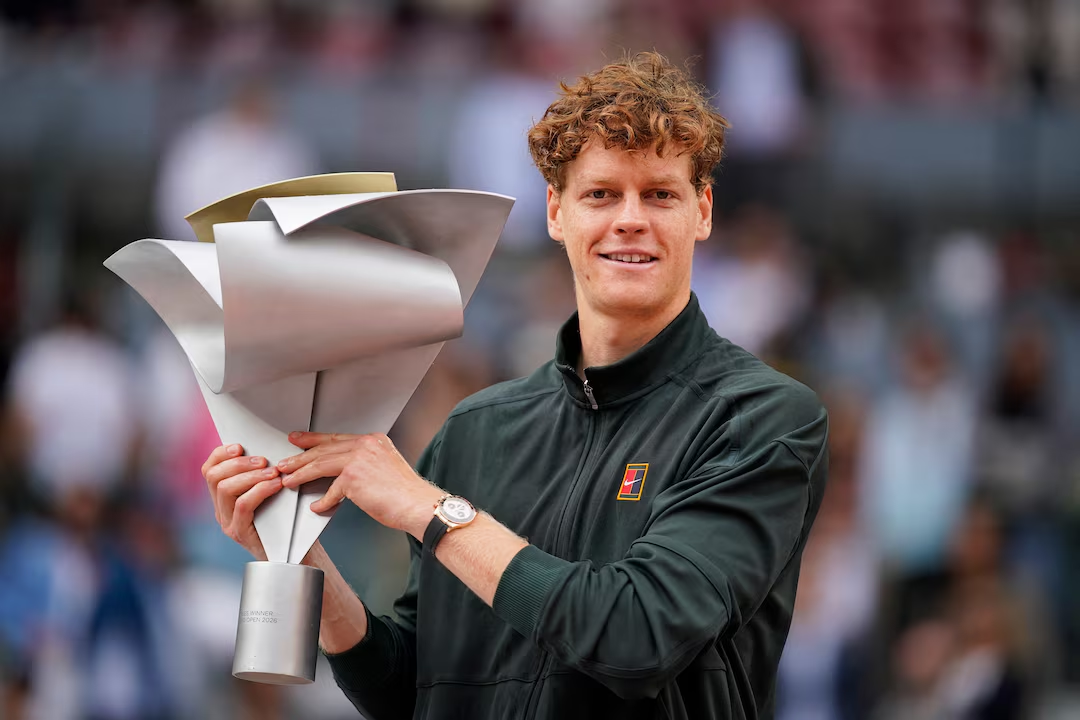
A Sinner-Zverev final should, on paper, carry heavyweight tension. Madrid offered a different lesson. Sinner’s 6-1, 6-2 win was not a battle slowly tilted by small details; it was a match seized so early that Zverev spent the rest of the afternoon trying to catch up with a player already several steps ahead.
The record attached to the win made it more than another trophy. Sinner became the reference point for the season’s opening Masters stretch, and the way he did it in Madrid suggested that his clay progression was no longer a question. It had become a problem for everyone else.
The opening games were brutal in their clarity. Sinner served cleanly, moved Zverev around the court and broke before the German could establish a stable tempo. That early damage mattered because Zverev is often at his best when he can build behind serve and lengthen exchanges on his terms.
Instead, Sinner made every rally feel like it was starting from his preferred position. The first set moved quickly because Zverev’s defensive replies kept landing in places where Sinner could attack again. By the time the set was gone, the final already felt tilted beyond normal adjustment.
The defining stretch came in the first five games, when Sinner gave away almost nothing. In finals, players often survive early pressure by holding one difficult game and settling into the match. Zverev never got that release. He was broken, then broken again, and each service game became a test of damage limitation.
The second set did not offer a serious reset. Zverev briefly steadied himself, but Sinner broke again in the third game and returned the match to the same pattern: early control, clean execution, minimal emotional noise.
Sinner’s strength was the combination of first-strike tennis and clay-court balance. He did not simply hit hard; he hit from positions that made the next ball easier. That is why Zverev had so few chances to build pressure. The German was constantly reacting to shots that arrived a half-step earlier than expected.
The serve also mattered. Sinner’s clean opening service game set a tone, but the larger effect was psychological. It told Zverev that even return games would not be easy places to recover momentum.
For viewers, the final was less dramatic than expected but more revealing than a close match might have been. It showed where the top of the men’s tour currently stands when Sinner is locked into rhythm. Even elite opponents can be made to look short of options.
The match also raised the bar for future finals. Opponents cannot wait for Sinner to cool down; they need to disrupt him before he takes over the court geometry. Zverev never managed that disruption in Madrid.
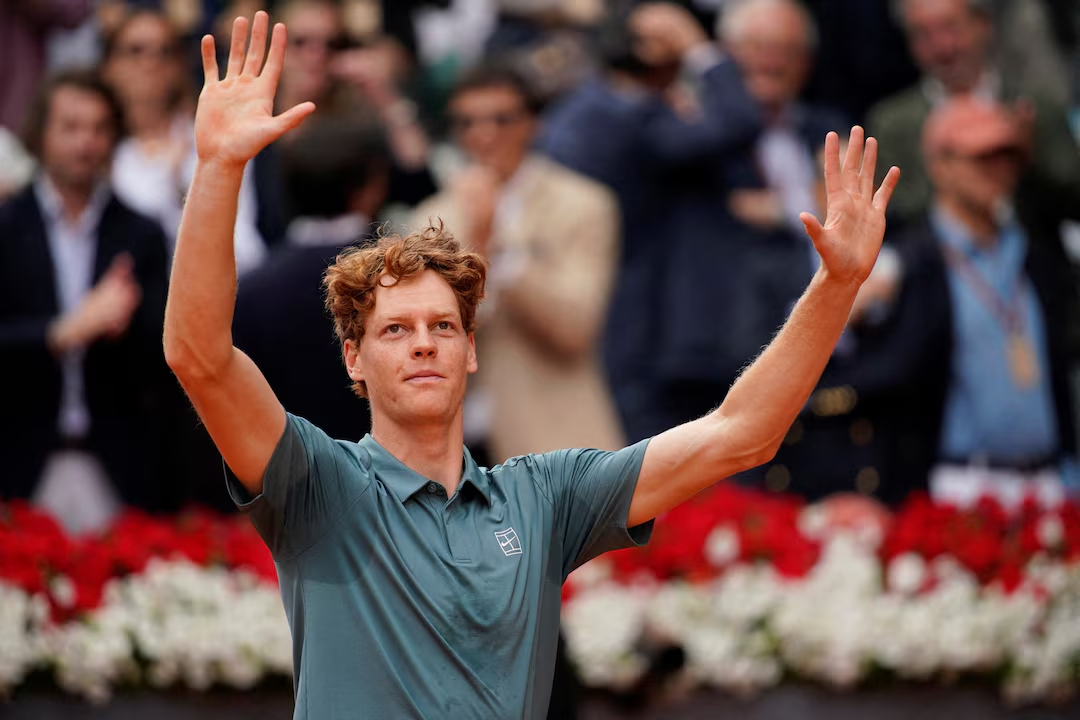
Madrid was a trophy, a record and a warning. Sinner’s performance compressed a big final into less than an hour because he won the tactical battle before Zverev could settle into the emotional one.
As a review, the event is simple to summarise: one player looked ready for every phase of the match, and the other was left chasing a version of the contest that never arrived.
Further reading
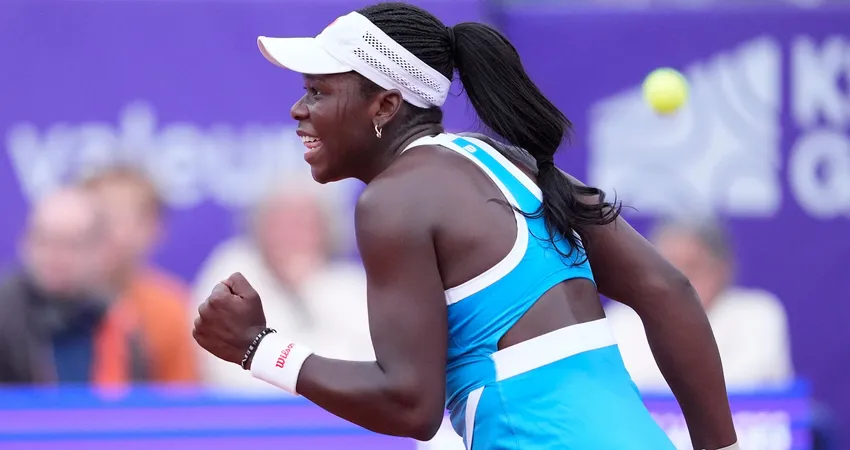
A rewritten event review of Victoria Mboko’s Strasbourg quarterfinal win over Leylah Fernandez, focused on tempo, recovery and the pressure of a national matchup on clay.
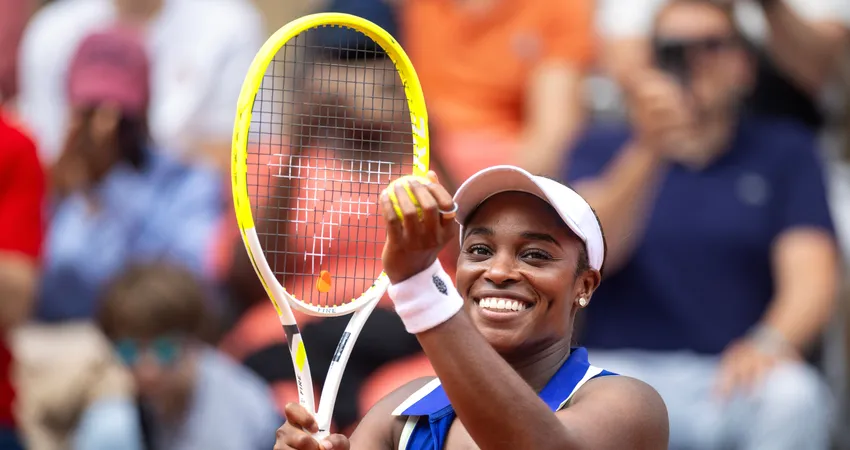
A rewritten review of Sloane Stephens’ comeback win in Roland-Garros qualifying and the meaning of another main-draw return in Paris.
A rewritten review of Bianca Andreescu’s controlled qualifying win and Karolina Pliskova’s comeback route at Roland-Garros qualifying.