
Tennis · May 22, 2026
Gael Monfils’ Roland Garros Farewell: Event Review
A Paris farewell party turned a tennis court into a tribute stage before Monfils’ final French Open appearance.
Tennis · May 22, 2026
A Paris farewell party turned a tennis court into a tribute stage before Monfils’ final French Open appearance.
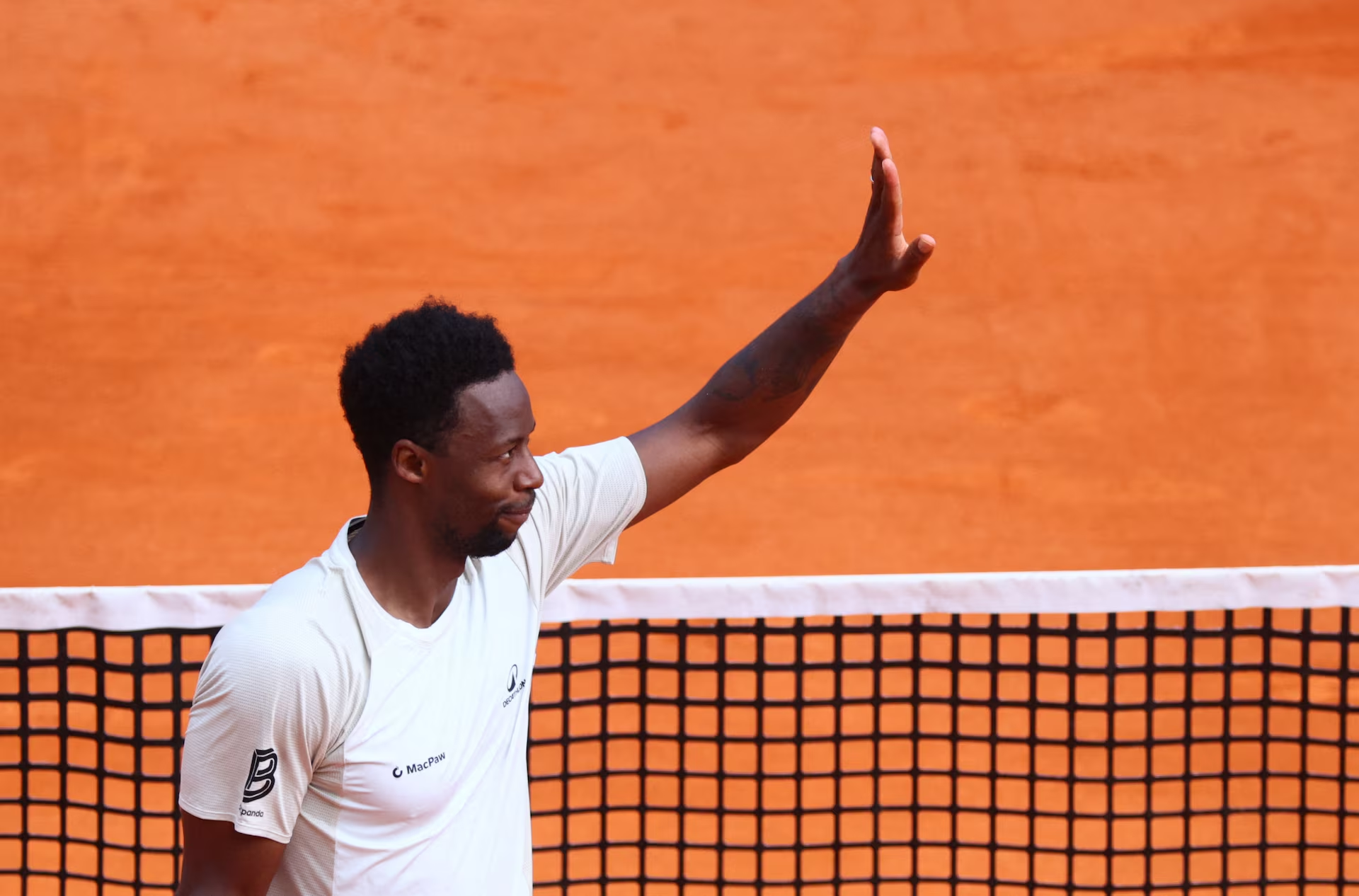
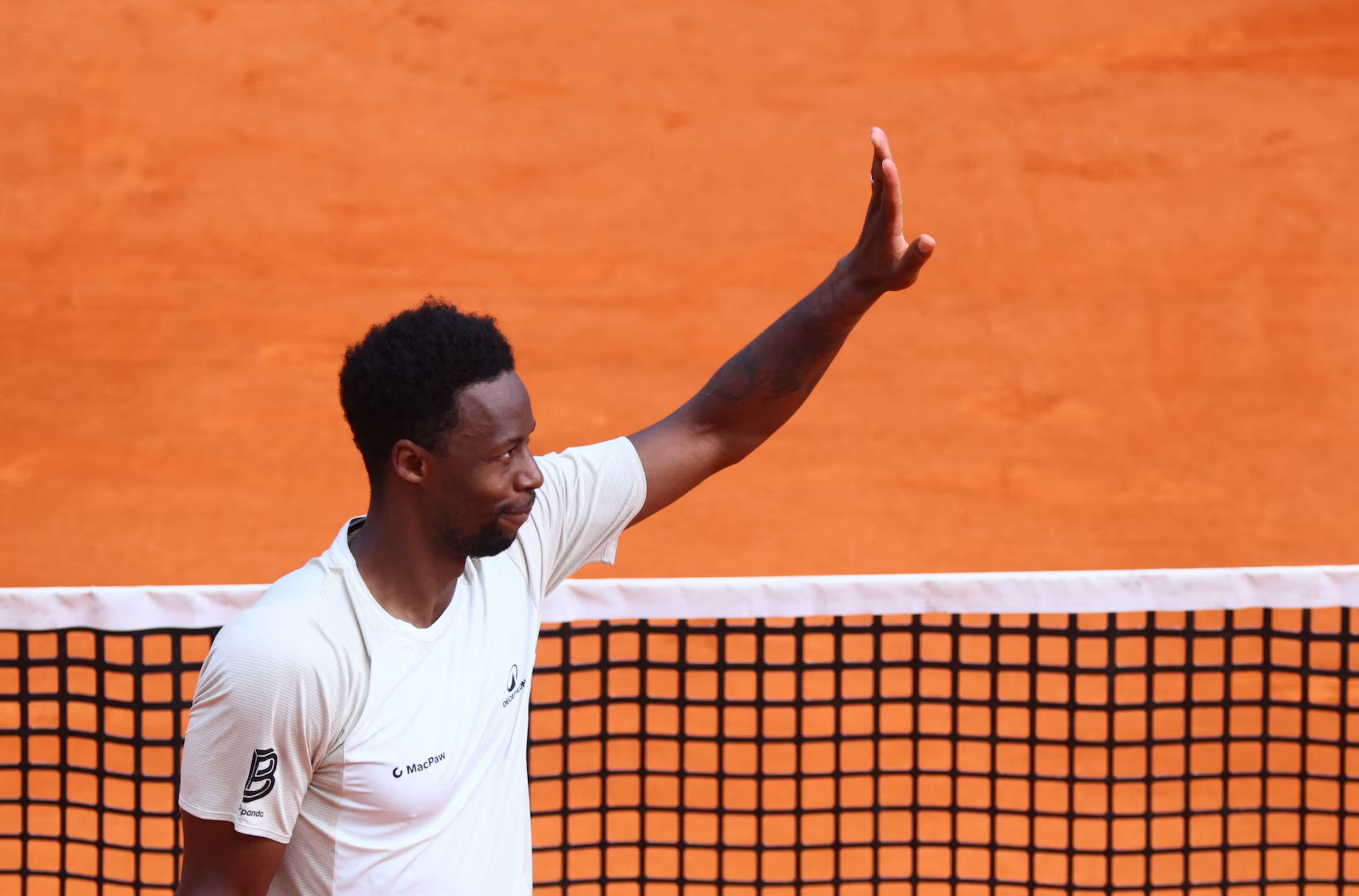
Gael Monfils has always been more than a match result, so it made sense that his Roland Garros farewell build-up felt more like a show than a standard warm-up. The event turned Court Philippe-Chatrier into a tribute space, using tennis as the frame but personality as the real subject.
For users reading a sports event review, this is a different kind of material. There is no need to chase a tactical scoreboard. The value is in the atmosphere: a popular player returning to a familiar stage, surrounded by peers, family and a crowd ready to celebrate the career rather than analyse one performance in isolation.
The farewell event worked because it leaned into what made Monfils distinct. Trick shots, relaxed exchanges and playful points were not side details; they were the language of the evening. His career has always carried that mixture of athletic electricity and theatre, so a purely formal ceremony would have felt too small.
The presence of leading players gave the night additional weight. When established names appear not just as competitors but as guests in someone else’s moment, the event becomes a sign of respect. That helped the Paris crowd read the evening as a genuine tennis community tribute.
Monfils’ legacy is not measured only by trophies. He won titles, made deep runs and became one of the sport’s most recognisable performers, but his larger impact came from the way he made matches feel alive. He gave audiences a reason to watch even when he was not the favourite.
That matters in a modern sport where personality can be flattened by schedules, rankings and constant measurement. Monfils remained expressive. His best points were not simply athletic; they felt like moments of imagination. The farewell event understood that and gave users a reminder of why his presence endured.
Roland Garros is the correct stage for this type of farewell because it ties the player to a national crowd. Even without a Grand Slam title, Monfils belongs to the tournament’s emotional landscape. The French Open has seen his highs, frustrations and long-standing connection with supporters.
That home-court setting made the event feel intimate despite the scale. The crowd was not only watching a veteran prepare for another draw; it was acknowledging the end of a familiar rhythm. For a player whose career has been built on audience energy, that is a fitting kind of review.
The key takeaway is that sports events are not always valuable because of competitive tension. Sometimes they matter because they organise memory. This farewell helped turn a career into a shared public moment before the final chapter begins.
For the site, the article gives the tennis section a fresh human story alongside finals, previews and tactical reviews. It brings warmth to the catalogue and gives readers a different route into the sport: not only who won, but why a player mattered.
Monfils’ farewell evening was successful because it did not pretend to be something else. It was celebratory, loose and emotional. It reflected a player who made the sport feel less mechanical and more performative without losing the respect of the competitive world around him.
As a sports event review, it gives the site a current, user-friendly tennis story with a strong visual identity and a clear emotional centre. It is less about ranking points and more about the moment when a crowd gets to say goodbye properly.
Further reading
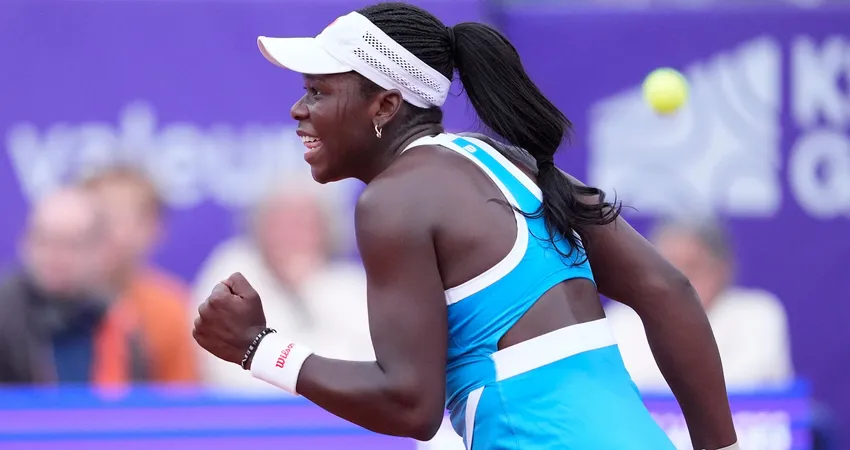
A rewritten event review of Victoria Mboko’s Strasbourg quarterfinal win over Leylah Fernandez, focused on tempo, recovery and the pressure of a national matchup on clay.
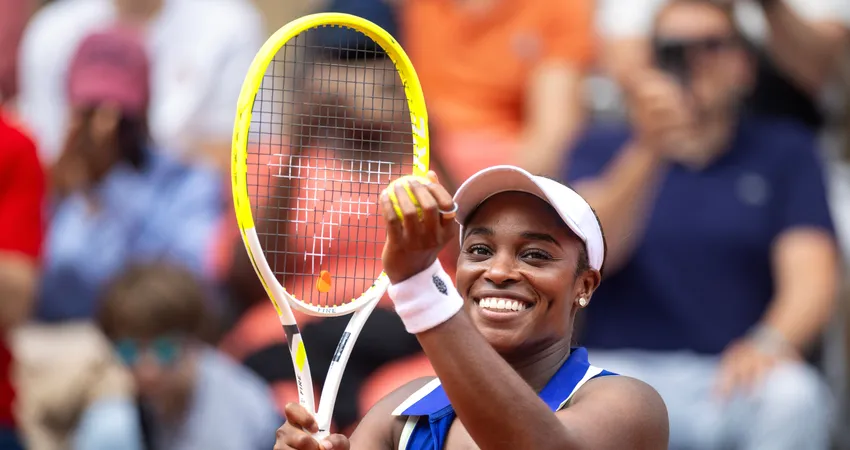
A rewritten review of Sloane Stephens’ comeback win in Roland-Garros qualifying and the meaning of another main-draw return in Paris.
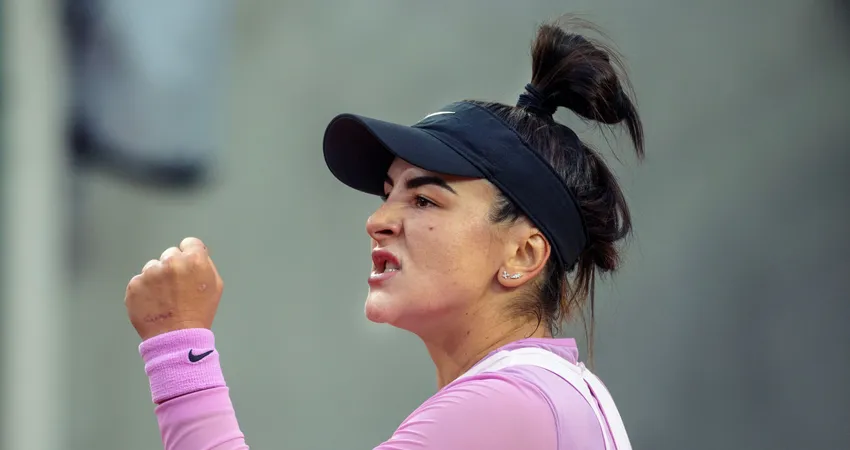
A rewritten review of Bianca Andreescu’s controlled qualifying win and Karolina Pliskova’s comeback route at Roland-Garros qualifying.