
Tennis · May 22, 2026
French Open 2026 Men’s Field: Fresh Tournament Review
With Sinner surging and key rivals carrying doubts, the Paris draw suddenly feels like a race around one dominant clay-season story.
Tennis · May 22, 2026
With Sinner surging and key rivals carrying doubts, the Paris draw suddenly feels like a race around one dominant clay-season story.
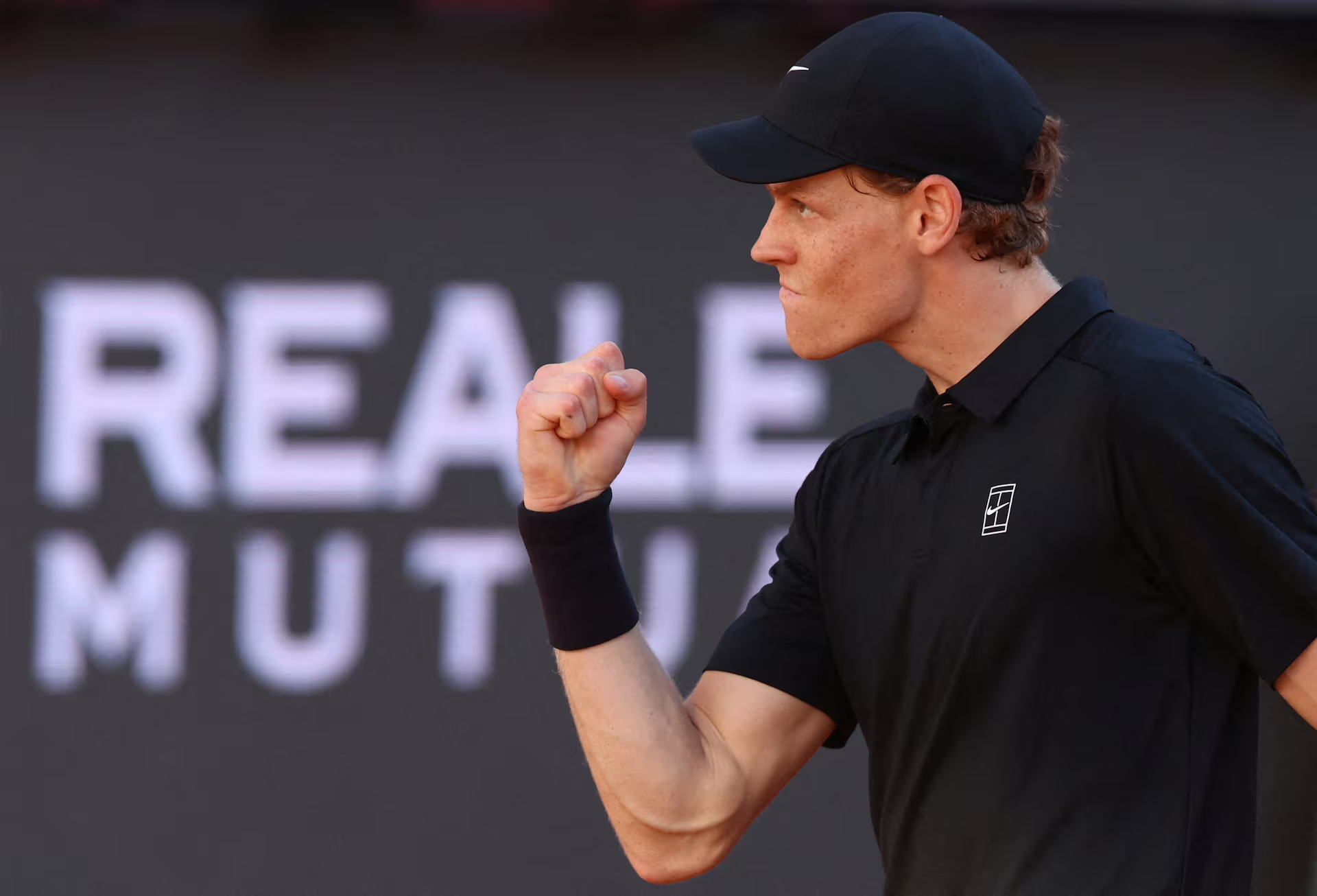
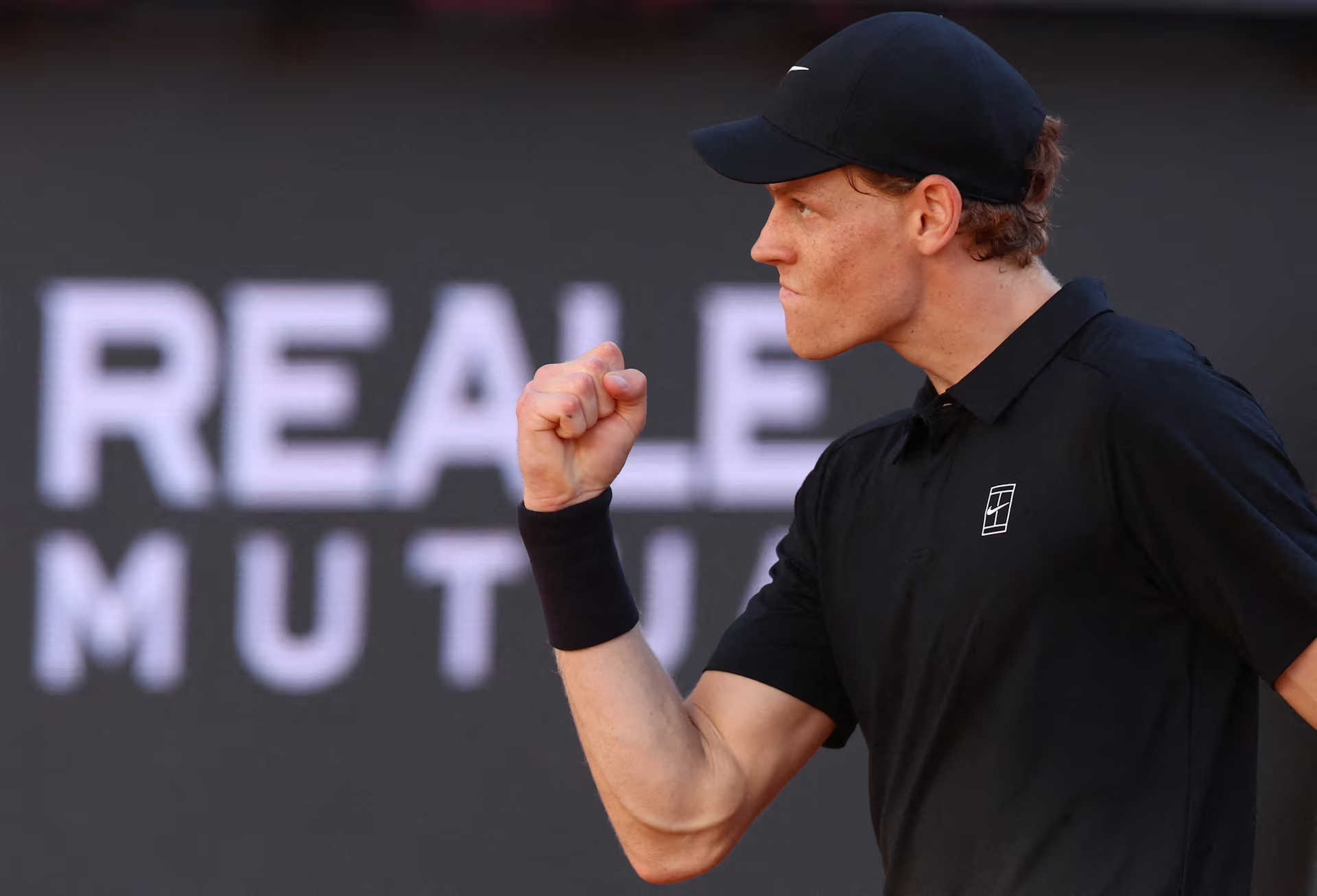
The French Open men’s field enters 2026 with an unusually sharp centre of gravity. Jannik Sinner has turned the clay swing into a statement of authority, while several of the players expected to challenge him arrive with injuries, limited match play or lingering questions. That makes the tournament feel less like a balanced field and more like a test of whether anyone can disrupt one player’s momentum.
This is not a conventional preview where every contender is given equal weight. The absence of defending champion Carlos Alcaraz changes the entire shape of the draw. Without him, Paris loses one of its most reliable high-ceiling threats, and the pressure shifts toward Sinner to convert form into a missing major title.
Sinner’s season has built in layers. Hard-court success gave him confidence, but his clay results gave him something more important: proof that his game can travel onto slower surfaces without losing control. His movement, physical strength and shot selection have all looked more settled than in previous clay campaigns.
The field behind him is dangerous but uneven. Djokovic still carries the aura of a player nobody wants to meet, yet his clay preparation is thin. Zverev and Ruud have credentials on the surface, but each comes with a different question: fitness for one, final-step authority for the other. That combination creates tension even before the draw starts to unfold.
The first question is whether Sinner can carry Masters-level dominance into best-of-five tennis. Clay rewards strength, but it also tests patience across long matches. A player can dominate in shorter formats and still face different problems when opponents have more time to adjust.
The second question is whether any rival can drag him into the kind of uncomfortable match that changes a tournament. That might mean Djokovic using experience, Ruud extending rallies, Zverev serving through pressure or a younger player forcing a match into a fearless rhythm.
Sinner’s advantage is not only ball-striking. It is the way he now manages points on clay. He is less rushed in neutral exchanges and more selective when he changes pace. That gives him a version of clay-court patience without asking him to abandon the aggressive identity that made him elite.
For the challengers, the tactical target is clear but difficult: make Sinner defend wider than he wants, extend points without becoming passive and force his second serve into pressure moments. The problem is that very few players have done those things often enough this season.
For users following the tournament, the draw is interesting because it combines a clear favourite with a lot of unresolved tension. Sinner looks like the best player entering Paris, but a Grand Slam remains a long path. Momentum can carry a player through early rounds; it cannot remove the need to solve every matchup.
The tournament also has legacy stakes. A Sinner title would complete a major set and strengthen his claim as the defining figure of this phase of the men’s tour. A challenger’s win would reopen the conversation just when it appears to be narrowing.
The 2026 French Open men’s field begins with Sinner as the story and everyone else as the response. That does not make the tournament predictable; it makes the pressure easier to identify.
The freshest reading is simple: Paris is waiting to see whether Sinner’s clay breakthrough is a warm-up act or the beginning of a career-defining fortnight.
Further reading
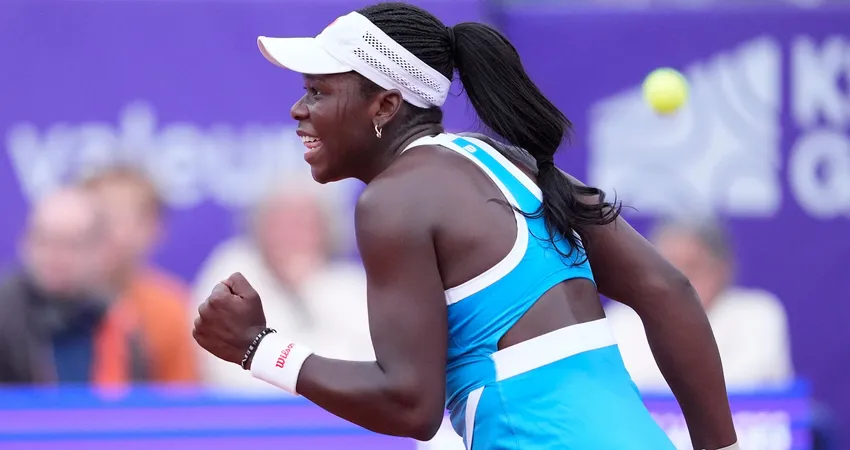
A rewritten event review of Victoria Mboko’s Strasbourg quarterfinal win over Leylah Fernandez, focused on tempo, recovery and the pressure of a national matchup on clay.
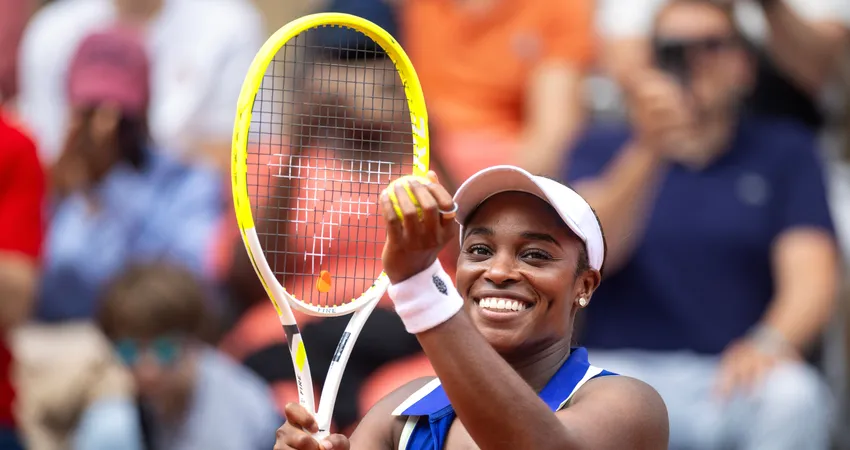
A rewritten review of Sloane Stephens’ comeback win in Roland-Garros qualifying and the meaning of another main-draw return in Paris.
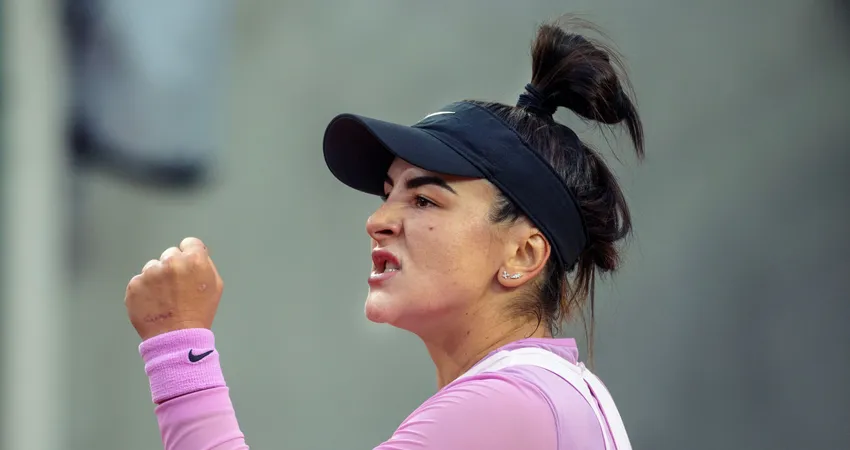
A rewritten review of Bianca Andreescu’s controlled qualifying win and Karolina Pliskova’s comeback route at Roland-Garros qualifying.