
Football · May 19, 2026
Arsenal’s Premier League Title: Season-End Event Review
Arsenal’s title was confirmed away from the pitch, but the meaning of the moment came from months of pressure held together.
Football · May 19, 2026
Arsenal’s title was confirmed away from the pitch, but the meaning of the moment came from months of pressure held together.
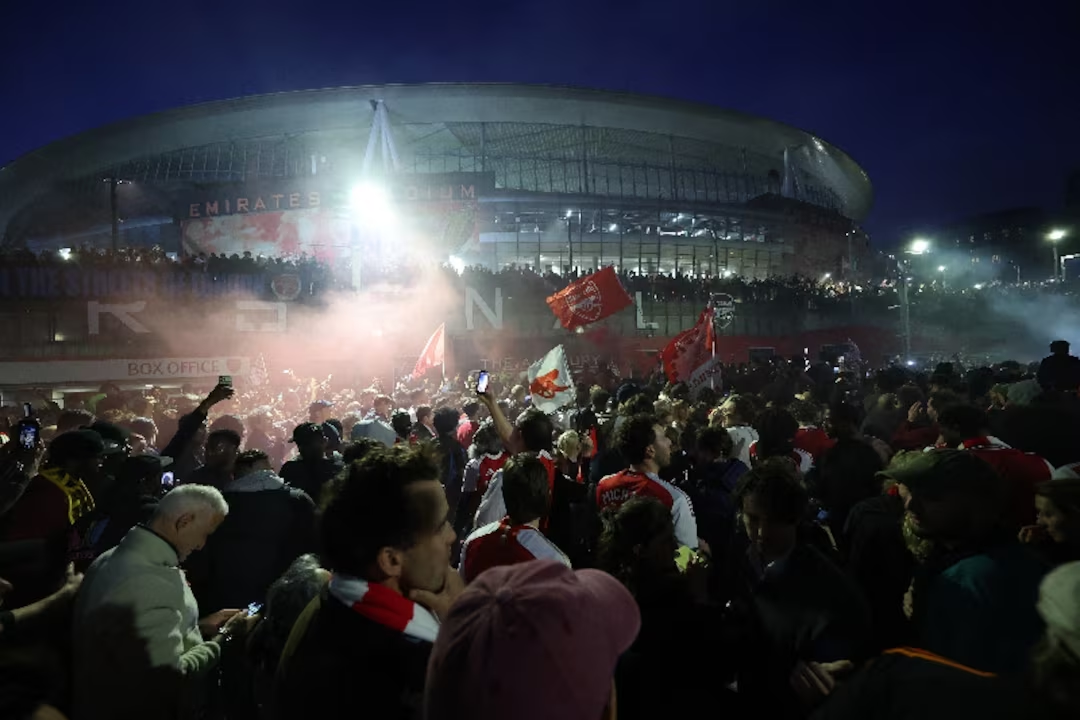
A league title is not won in a single evening, but it is often remembered by the evening that confirms it. Arsenal’s 2026 Premier League triumph arrived when Manchester City’s draw with Bournemouth made the gap impossible to close. The final act happened away from Arsenal’s own match, yet the feeling around North London was immediate and unmistakable.
The long wait made the moment feel heavier. For years, Arsenal had been close enough to believe and close enough to be hurt. This time the final weeks did not end with a slip. The season’s pressure turned into a title, and that changes the reading of every narrow win, every defensive stand and every tense away game that came before.
Arsenal’s title push was built less on one spectacular run than on repeated control. They had enough attacking quality to win difficult matches, but the season’s core was their ability to keep games inside their preferred rhythm. Opponents often had spells, yet Arsenal rarely looked like a side losing its structure for long.
Manchester City remained close enough to keep the race alive, which meant Arsenal had to carry the emotional pressure deep into May. That is where the achievement becomes more impressive. Winning the league after three runner-up finishes required more than talent; it required the group to resist the old narrative each time it threatened to return.
The decisive stretch came in the final week, when Arsenal’s own narrow victory forced City to answer. City’s 1-1 draw with Bournemouth ended the chase and released Arsenal from the long, familiar tension of waiting. It was not a cinematic last-minute title goal, but it was a title confirmation that matched the season: controlled, tense and finally conclusive.
What stood out was the way the squad had created a position where another team’s dropped points could not be wasted. Arsenal had done the hard work before the confirmation arrived. The final whistle elsewhere merely gave official form to what their consistency had made possible.
Arsenal’s league success rested on a defensive base that allowed their attacking pieces to play without chasing every match. The team pressed with discipline, protected central zones and turned recoveries into measured attacks. That made them less vulnerable to the kind of emotional swings that can damage a title race.
The improvement was also cultural. Arsenal looked like a side that had learned from disappointment. Instead of treating pressure as something to escape, they built routines around it: slower possessions when needed, clear set-piece focus and a willingness to win matches without turning them into showcases.
For supporters, the title brought relief before celebration. The 22-year gap meant every late-season calculation carried the memory of previous misses. The confirmation did not erase those seasons, but it reframed them as part of the path to a squad finally strong enough to finish the job.
The achievement also changes the way Arsenal’s next steps are judged. They are no longer merely a project chasing proof. They are champions, with the authority and expectation that comes with that word.
This title was not defined by a single spectacular afternoon. It was defined by a season of control and a final week that confirmed Arsenal could handle the weight of being chased. That makes it a mature title, not just an emotional one.
The review of Arsenal’s 2026 league victory should begin with the obvious: a 22-year wait ended. But it should not stop there. The deeper point is that Arsenal won the title because the team had finally become stable enough to make belief feel practical.
Further reading
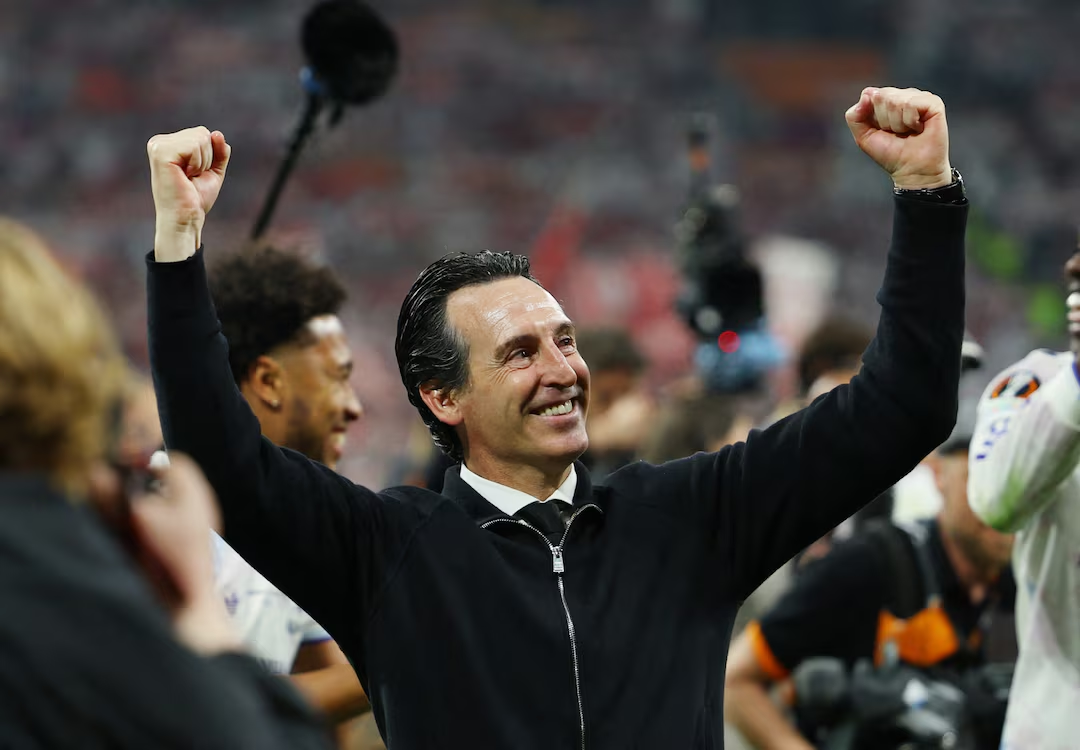
A rewritten long-form event review of Aston Villa’s 3-0 win over SC Freiburg in the UEFA Europa League final, with the focus on tempo, control and what the result changes for the club.
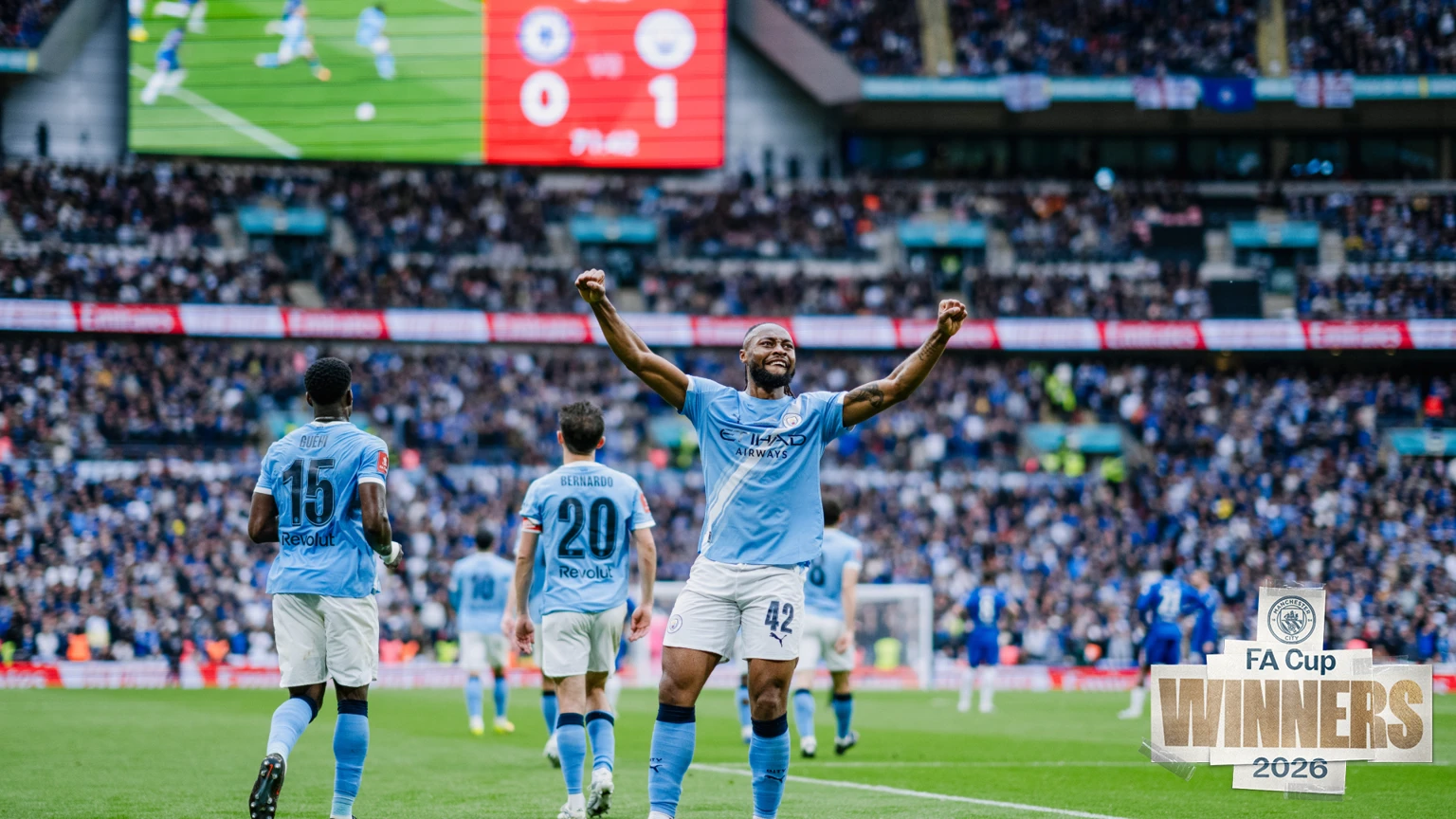
A long-form rewrite of Manchester City’s 1-0 FA Cup final win over Chelsea, focusing on Semenyo’s decisive finish and the rhythm of a tense Wembley match.

A longer rewritten review of Arsenal’s Champions League semi-final win over Atlético Madrid, focused on control, clean sheets and the final-step pressure.