
Cricket · May 21, 2026
Mumbai Indians vs Kolkata Knight Riders: IPL Pressure Review
Mumbai’s late-season slide deepened as the match left both scoreboard and discipline questions behind.
Cricket · May 21, 2026
Mumbai’s late-season slide deepened as the match left both scoreboard and discipline questions behind.
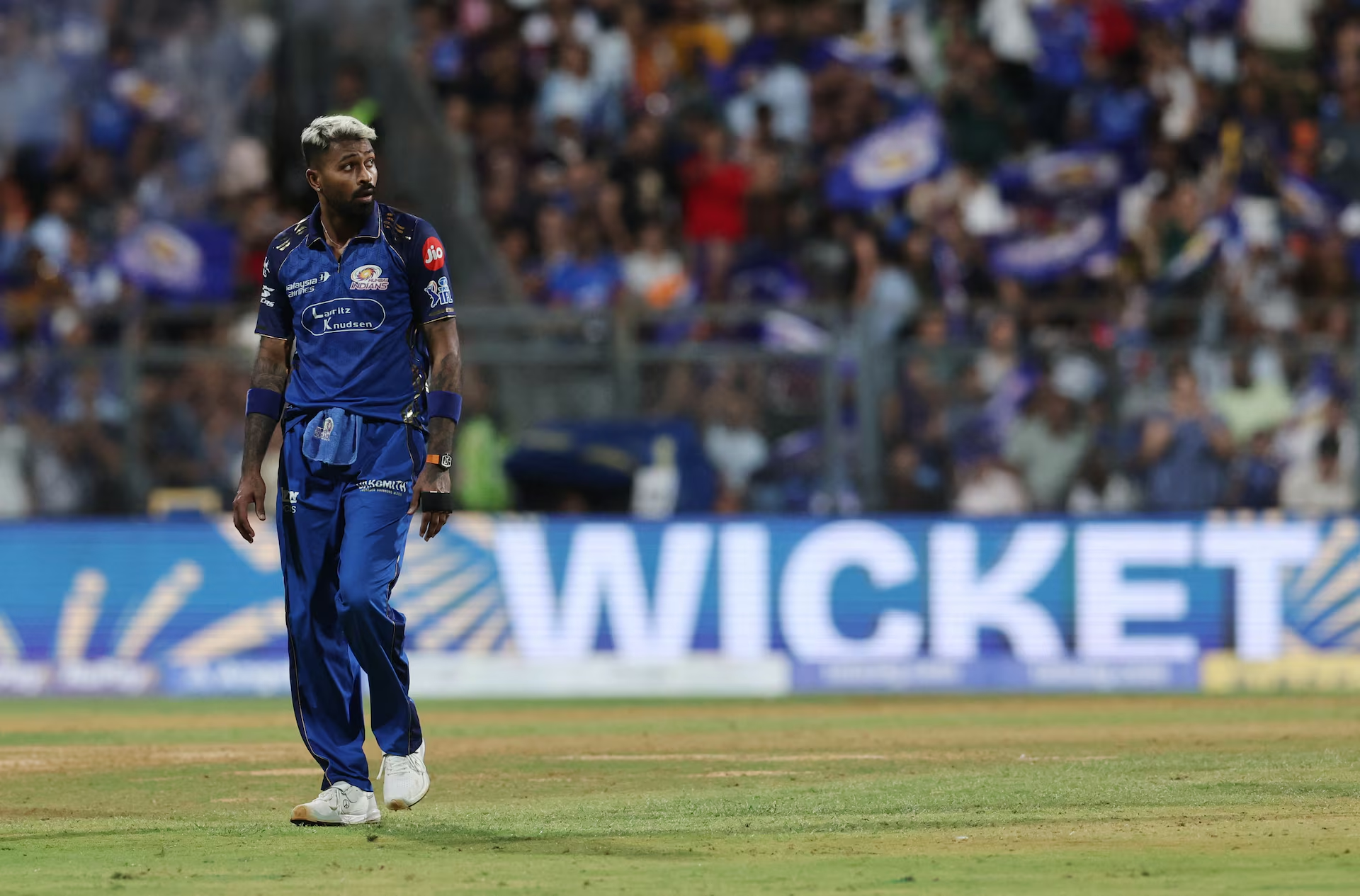
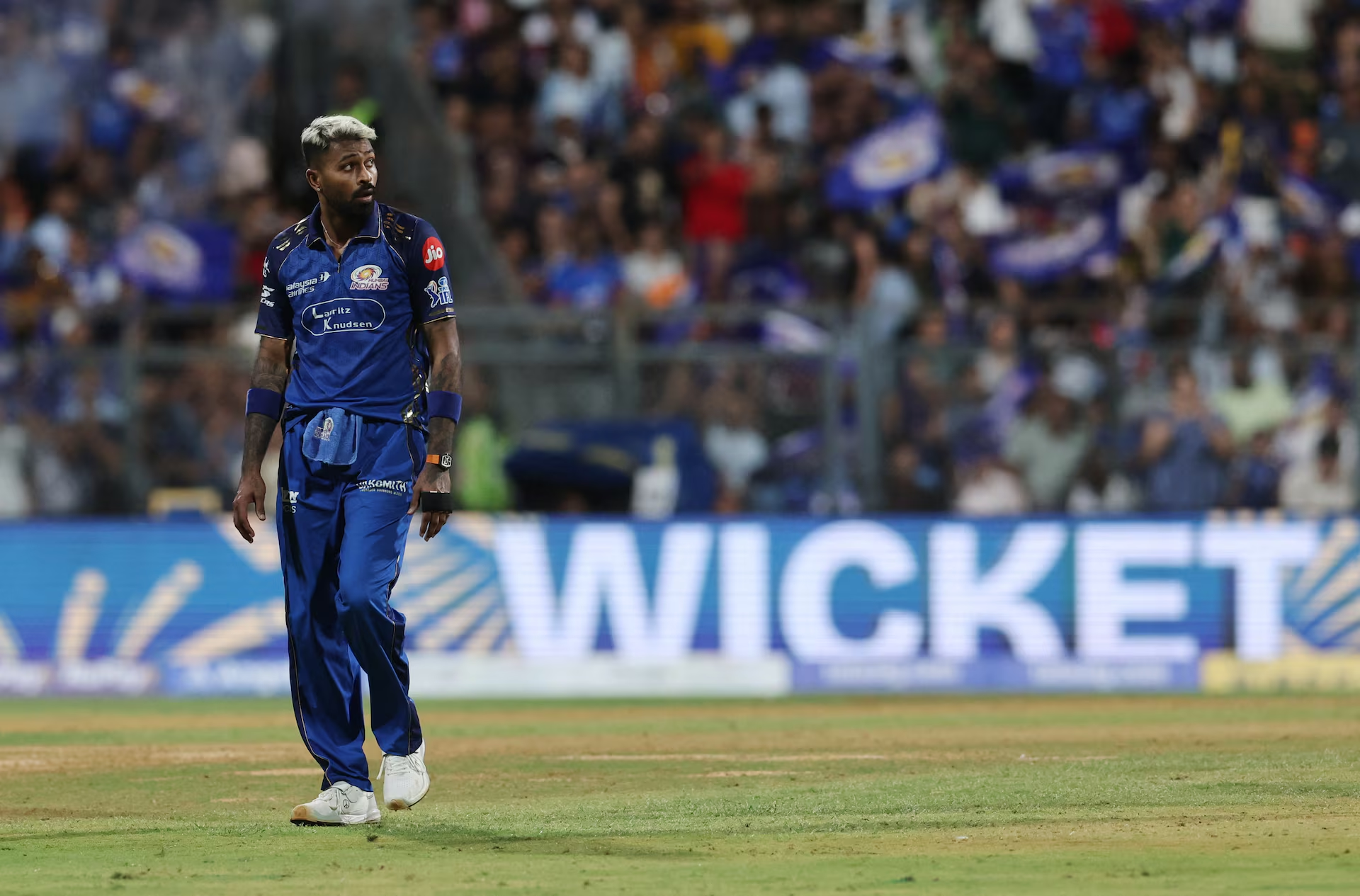
Mumbai Indians’ meeting with Kolkata Knight Riders mattered because it captured a season slipping beyond repair. Some matches are reviewed for their tactical beauty; others are reviewed because they reveal the pressure around a side. This was the second type. Mumbai’s four-wicket defeat was followed by a disciplinary issue for Hardik Pandya, making the match feel like a compact summary of a difficult campaign.
Kolkata had playoff motivation, while Mumbai were dealing with the emotional weight of missed opportunity. That difference showed in how the result was processed. For Kolkata, the win kept hope alive. For Mumbai, the match added another chapter to a season that has offered too little control.
The game itself moved through the tension of a target that was not huge but still needed careful defence. Mumbai had chances to make Kolkata uncomfortable, especially when the chase showed signs of wobbling. But they could not sustain the pressure long enough to turn discomfort into a collapse.
Kolkata’s middle-order stability changed the feel of the chase. Once they moved beyond the most dangerous phase, Mumbai needed either a burst of wickets or a major fielding intervention. Neither arrived with enough force, and the match moved away from them.
The defining stretch was the period when Mumbai still had a chance to make the target feel larger than it was. Kolkata were not cruising from ball one, which meant Mumbai’s bowlers had a window. The problem was that the window closed before they took enough wickets.
The post-match discipline note then sharpened the review. Pandya’s fine for breaching the code of conduct became part of the event’s story because it matched the mood of the season: frustration visible, control absent and consequences accumulating.
Mumbai’s issue was not simply one spell or one mistake. The match showed how hard it becomes to defend a modest total when the fielding side lacks momentum. Every missed half-chance feels larger, and every quiet over from the batting side reduces the scoreboard’s pressure.
Kolkata, by contrast, accepted the game state. They did not need to chase recklessly. They needed to pass through the pressure phase and keep the required rate manageable. That practical approach was enough.
For users following the IPL table, this event works as a late-season pressure review. Kolkata’s win matters because it keeps them alive. Mumbai’s defeat matters because it confirms how far a high-profile side can drift when confidence and execution fail to align.
The disciplinary angle should not overshadow the sporting result, but it does explain the atmosphere around Mumbai. A team near the bottom of the table cannot afford extra distractions, and this match produced one.
Kolkata took the points, but the story from Mumbai’s side was broader than the scoreboard. The defeat, the low table position and the post-match sanction all pointed toward the same conclusion: this was a season running out of answers.
The review is therefore not about one isolated loss. It is about a pressure environment that the match made visible from start to finish.
Further reading
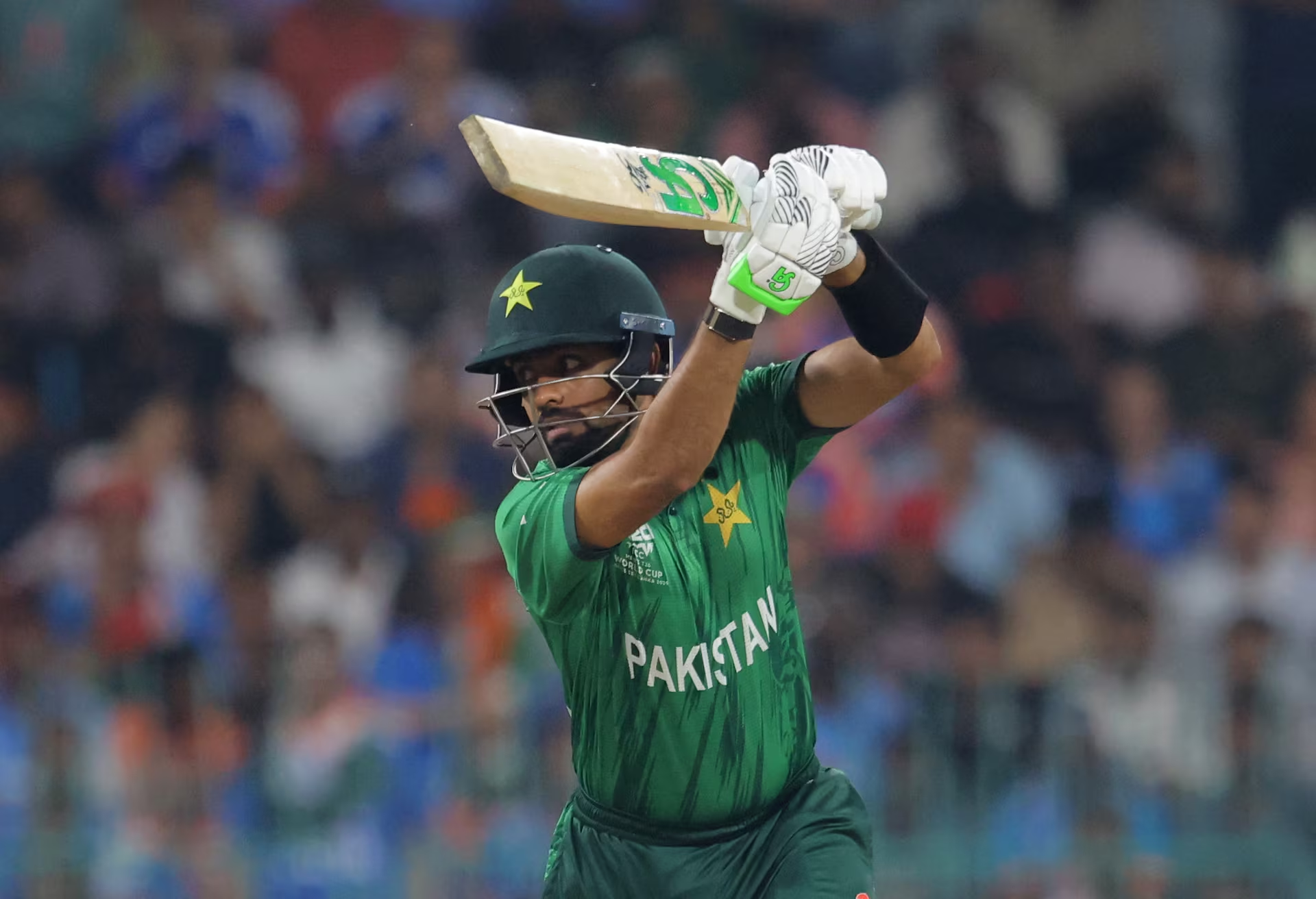
A rewritten cricket event review of Pakistan recalling Babar Azam for the Australia ODIs, focused on selection balance, leadership and series pressure.
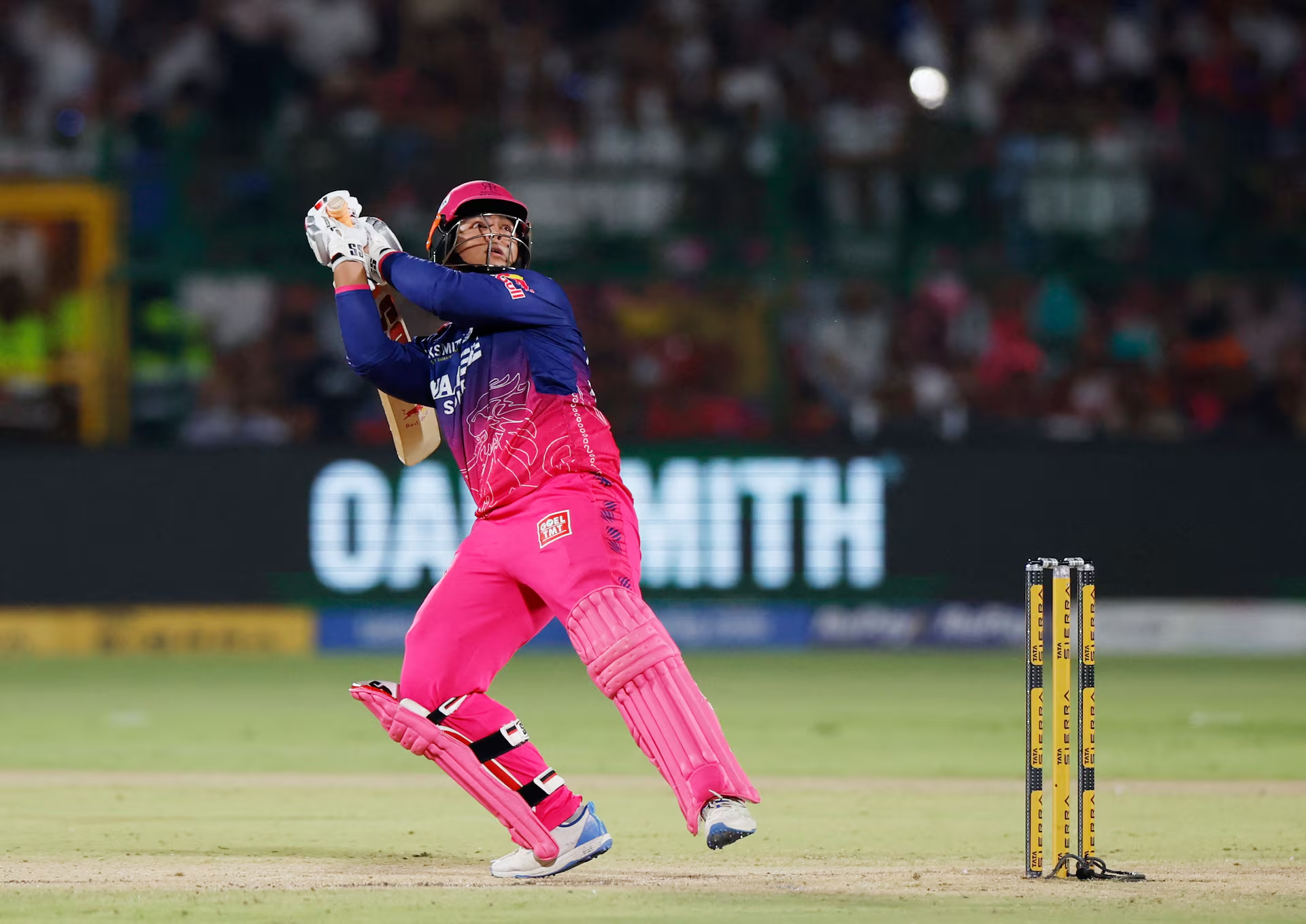
A rewritten review of Vaibhav Sooryavanshi’s 93 off 38 balls against Lucknow and the wider pressure around a teenage IPL breakout.
A rewritten review of Delhi Capitals’ five-wicket win over Rajasthan Royals and the parallel playoff movement around Bengaluru and Punjab.