
Cricket · May 21, 2026
Gujarat Titans vs Chennai Super Kings: IPL Event Review
Gujarat’s 89-run win combined a huge target with a bowling display that left no space for Chennai to recover.
Cricket · May 21, 2026
Gujarat’s 89-run win combined a huge target with a bowling display that left no space for Chennai to recover.
Gujarat Titans’ win over Chennai Super Kings was more than a large-margin league result. It secured playoff positioning and showed a side entering the final phase with both batting and bowling departments producing at the same time. In T20 cricket, that balance is often more important than one spectacular individual innings.
The 89-run margin reflected how quickly the match moved away from Chennai. A target of 230 asked for a perfect chase. Instead, Gujarat’s bowlers turned the chase into a sequence of interruptions, never allowing Chennai to build the partnership that might have made the scoreboard feel smaller.
Gujarat’s batting gave the match its first shape. A total around 230 changes the emotional pressure on the chasing side before a ball is bowled in response. Chennai could not simply start carefully; they needed to score quickly while still protecting wickets, and that is one of the hardest balances in the format.
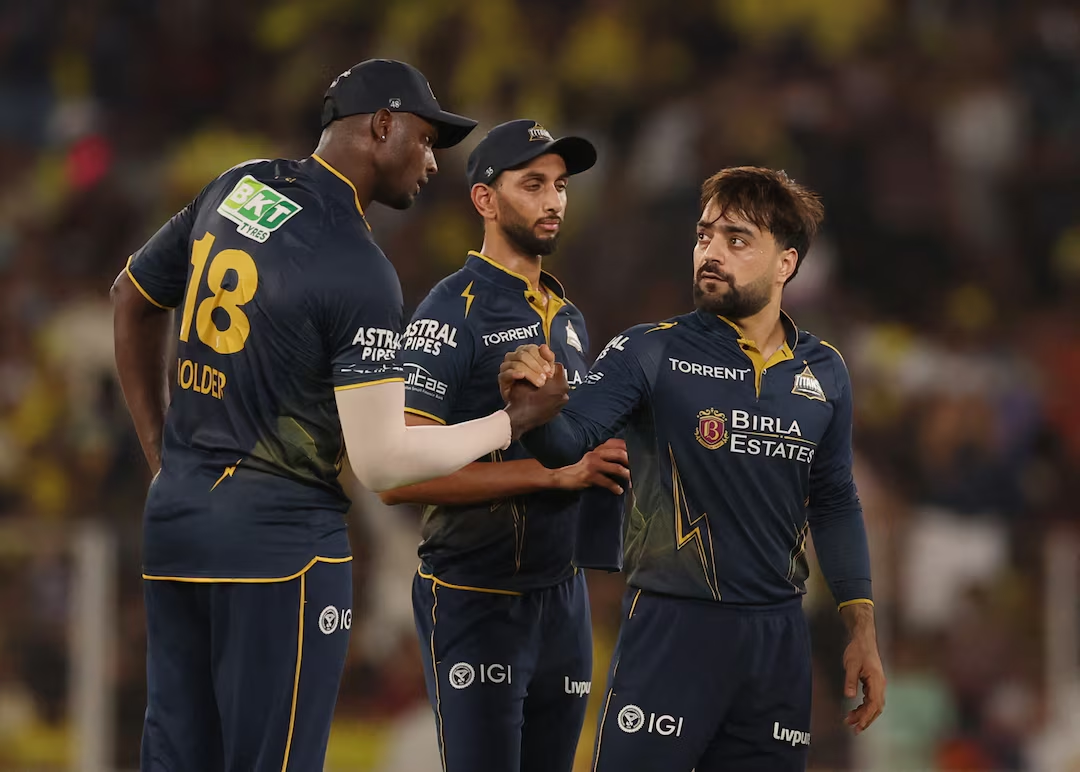
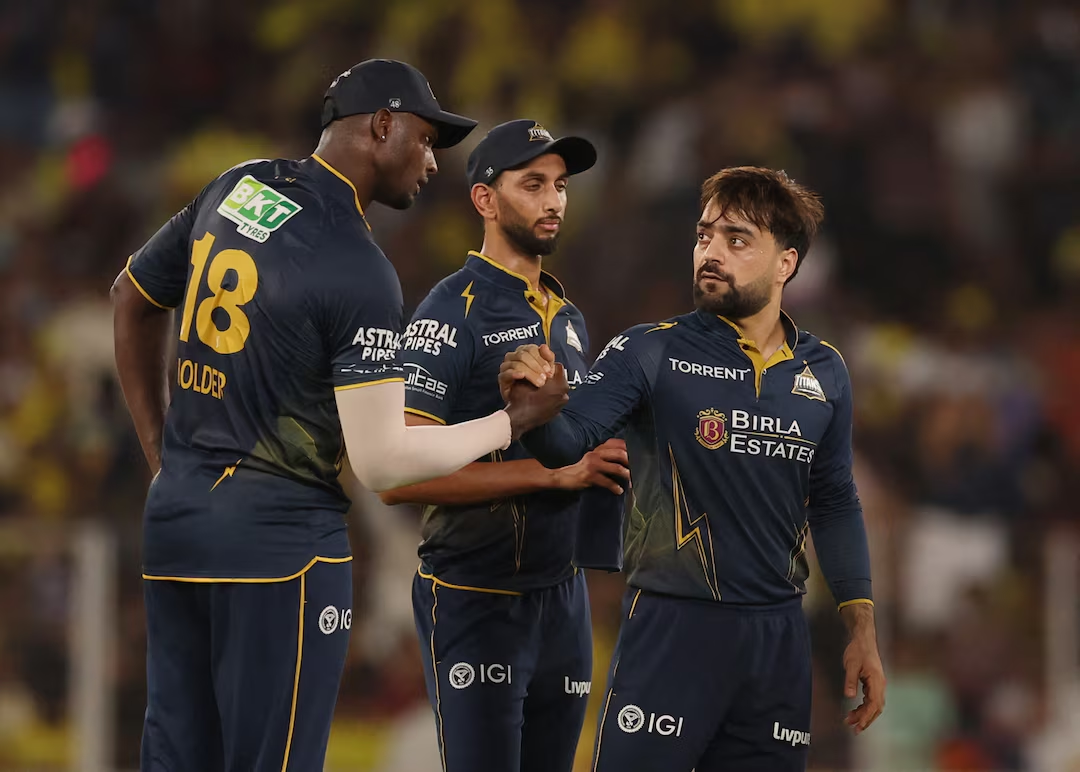
The chase broke because Gujarat kept taking wickets at moments where Chennai needed continuity. Rashid Khan, Mohammed Siraj and Kagiso Rabada each played a role in making the innings feel shorter than it was. Once the collapse accelerated, Chennai were no longer chasing a target; they were trying to limit the margin.
The defining stretch came when Chennai’s middle order had to decide whether to rebuild or keep attacking. Gujarat did not allow either option to settle. The pace bowlers hit hard lengths, Rashid controlled the scoring zones, and every new batter arrived under a required rate that was already uncomfortable.
By the time Chennai were bowled out in 13.4 overs, the match had become a statement of depth. Gujarat’s win was not tied to one phase. They had already won the batting phase, then won the bowling phase with equal clarity.
Gujarat’s bowling strength lies in the variety of wicket-taking threats. Siraj and Rabada give the attack pace and aggression, while Rashid changes the rhythm through control and deception. That mix is especially difficult when the chasing team must score quickly, because risk becomes unavoidable.
Chennai’s issue was the absence of a stabilising stand. In a chase of this size, one pair usually needs to survive long enough to create a platform for late hitting. Gujarat denied that platform, and the match’s competitive edge disappeared early.
For users following IPL form, the match is useful because it shows Gujarat’s route to playoff success. They are not relying on one type of win. They can score heavily, defend aggressively and use a varied attack to close matches before the final overs.
The most interesting note is Rashid’s post-match caution. Even after a dominant win, Gujarat presented the result as progress rather than perfection. That mindset matters in playoffs, where one poor spell can undo weeks of league work.
Gujarat’s victory was complete and timely. They set a target that demanded excellence, then bowled as if they expected a collapse and knew how to create one.
Chennai were never given enough time to make the chase feel real. That is why the result reads not only as a big win, but as a strong playoff signal.
Further reading
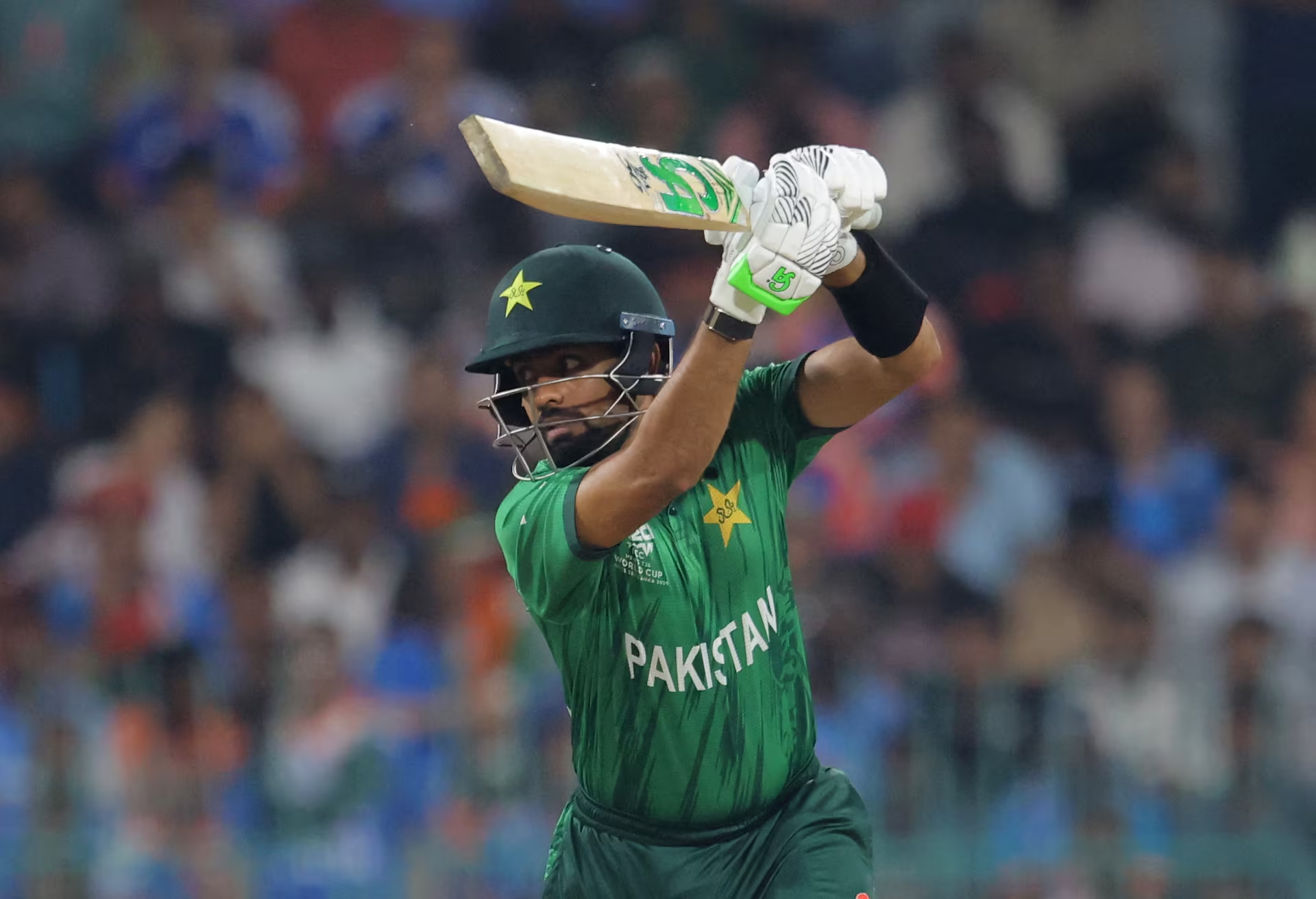
A rewritten cricket event review of Pakistan recalling Babar Azam for the Australia ODIs, focused on selection balance, leadership and series pressure.
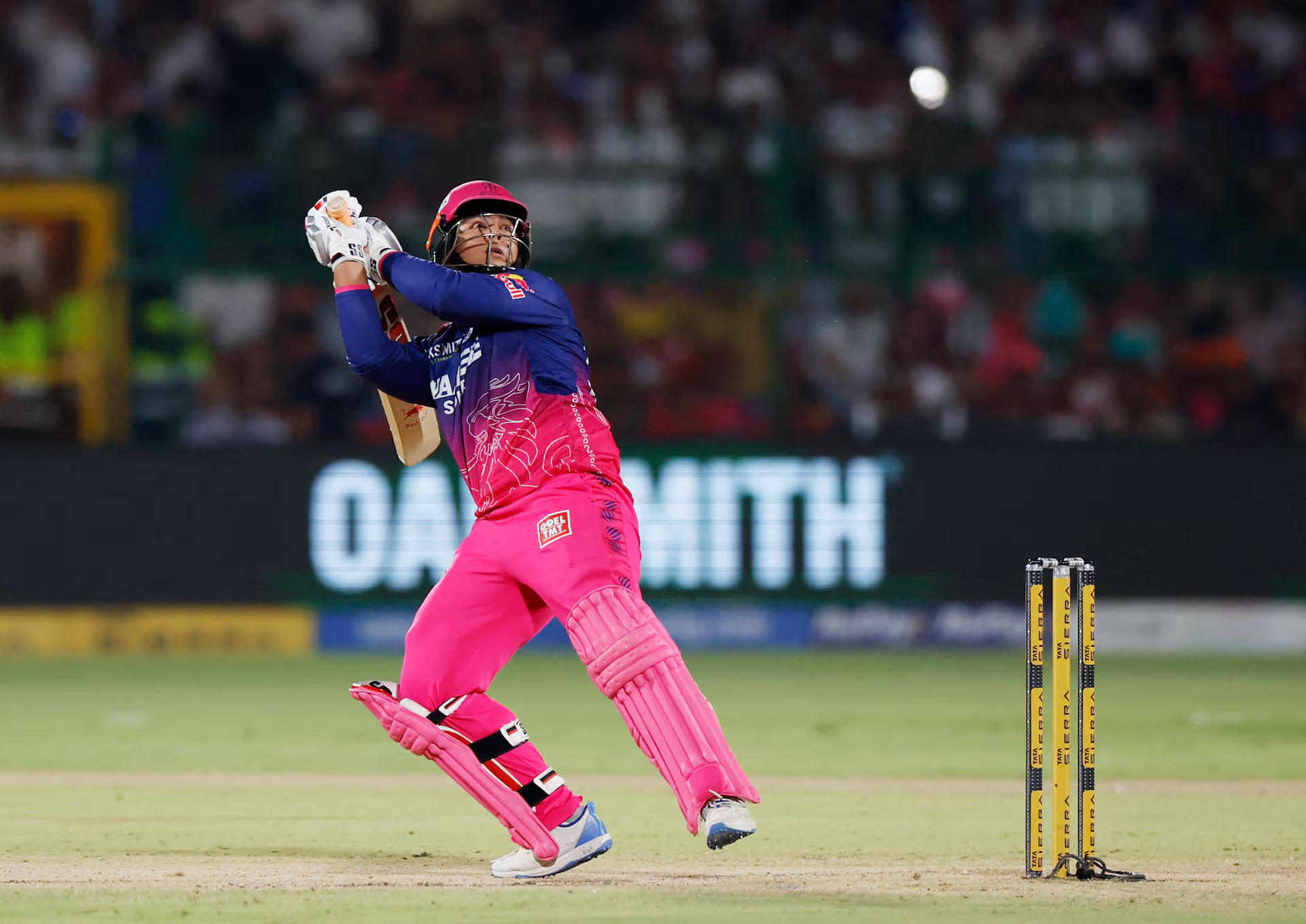
A rewritten review of Vaibhav Sooryavanshi’s 93 off 38 balls against Lucknow and the wider pressure around a teenage IPL breakout.

A rewritten review of Delhi Capitals’ five-wicket win over Rajasthan Royals and the parallel playoff movement around Bengaluru and Punjab.