
Cricket · May 20, 2026
Bangladesh vs Pakistan: Test Series Sweep Review
Bangladesh’s 2-0 sweep was built on long batting contributions and the final-day bowling patience to finish the job.
Cricket · May 20, 2026
Bangladesh’s 2-0 sweep was built on long batting contributions and the final-day bowling patience to finish the job.
Bangladesh’s sweep of Pakistan carried the weight of a first. A 2-0 Test series result is never only about the final wicket; it is about days of small advantages gathered carefully enough to survive resistance. In Sylhet, Bangladesh built a target that demanded near-perfect fourth-innings batting, then held their nerve when Pakistan refused to fade quickly.
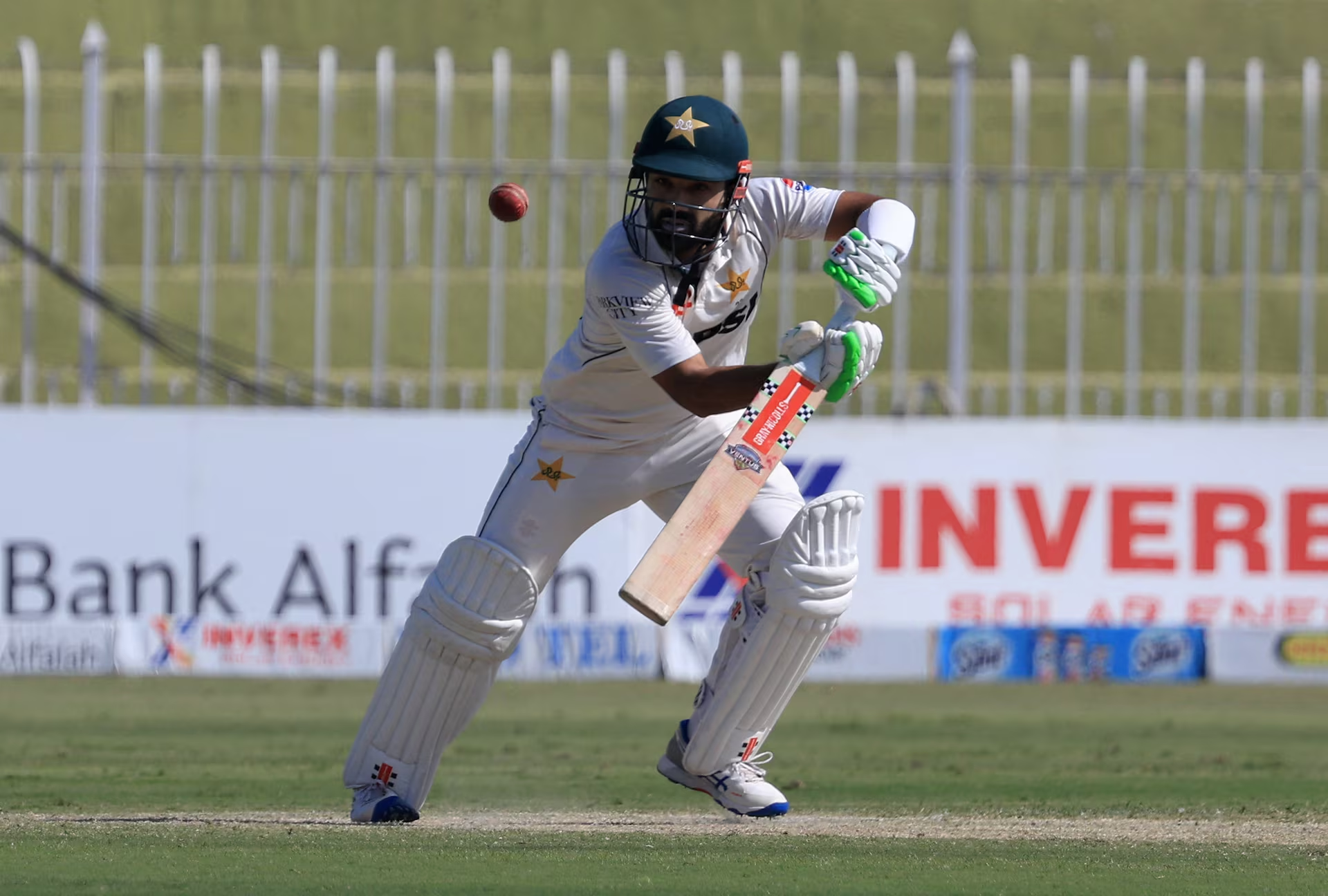
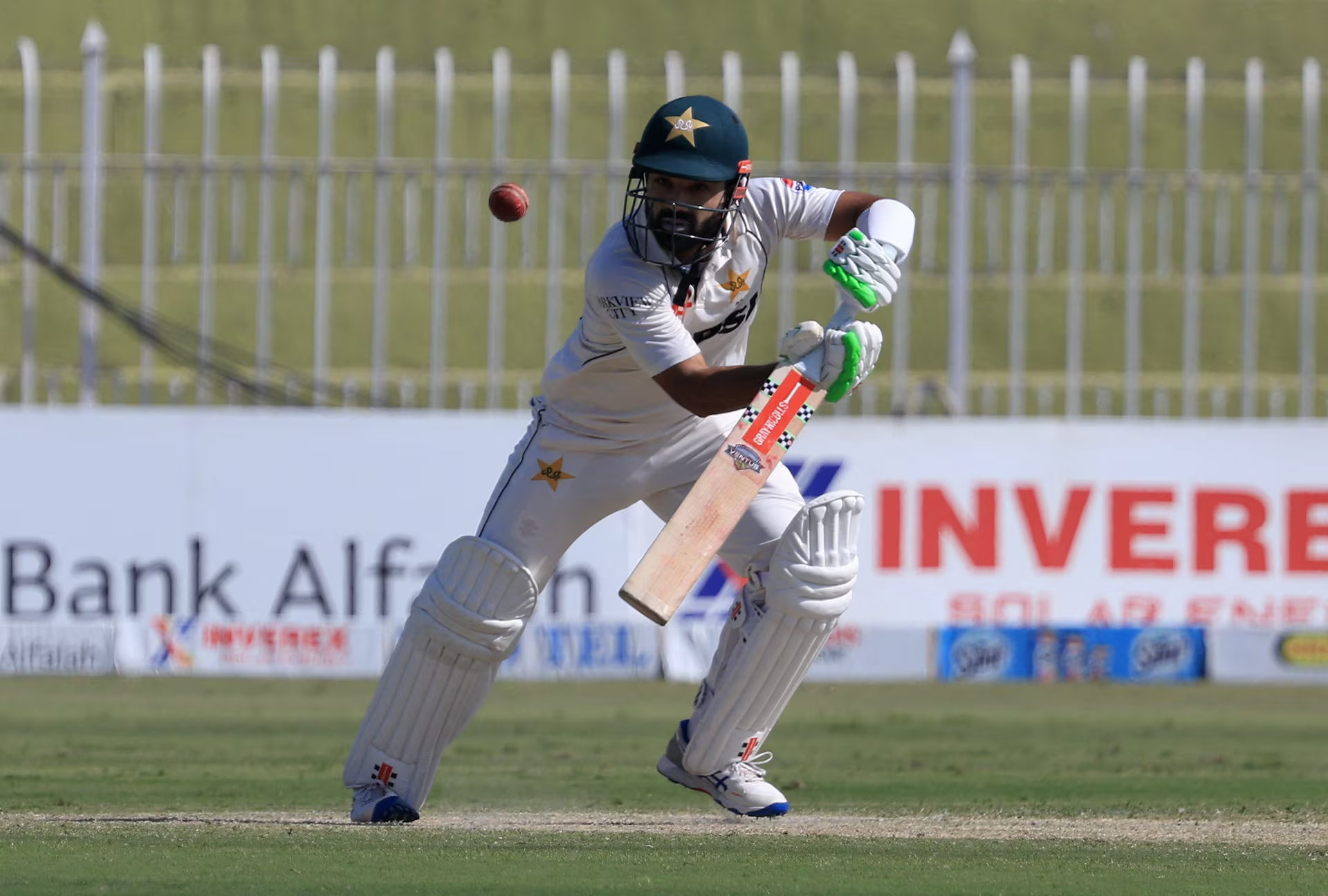
The match was important because Pakistan’s chase had enough substance to make the final day uncomfortable. Mohammad Rizwan’s 94 kept the contest alive, and Bangladesh had to show they could complete a win rather than merely create a winning position.
Bangladesh’s control began with first-innings batting from Litton Das and later deepened through Mushfiqur Rahim’s second-innings hundred. Those contributions meant Pakistan were not chasing a routine target. They were chasing 437, a number that forced risk even when partnerships formed.
Pakistan did not collapse without resistance. Shan Masood, Salman Agha and Rizwan all contributed enough to keep the match from becoming one-way traffic. That made Bangladesh’s bowling patience essential. They needed to keep attacking without opening easy scoring channels.
The defining stretch came when Rizwan remained at the crease on the final morning. As long as he was there, Pakistan could imagine extending the match into a final-day drama. Shoriful Islam’s dismissal of Rizwan changed that picture and returned control to Bangladesh.
Taijul Islam then gave the finish its structure. His six-wicket haul was not just a number; it was the mechanism by which Bangladesh turned pressure into a closed result. Once the lower order was exposed, the sweep became unavoidable.
Bangladesh’s biggest improvement was balance. The batting created a platform, the lower order contributed, and the bowlers sustained pressure on a surface where patience mattered. That kind of all-phase performance is what makes Test wins feel durable.
Pakistan’s problem was inconsistency across the five days. A strong fourth-innings effort cannot fully repair earlier mistakes, especially when the target is so large. Their chase showed fight, but it also showed how difficult Test cricket becomes after conceding control in earlier sessions.
For Bangladesh supporters, the sweep should feel like a milestone rather than a surprise result. It reflected improvements in areas that have often decided Test matches against them: lower-order support, sustained fast-bowling effort and the patience to finish a game across multiple days.
For Pakistan, the review is more uncomfortable because the fight was there, but not the discipline needed to avoid the situation in the first place. The fourth-innings runs made the score respectable, not successful.
Bangladesh won because they made Pakistan play from behind for too long. The final day had tension, but the match’s foundation had already been built through heavier batting contributions and better control of key moments.
The 2-0 sweep gives Bangladesh a strong Test-series marker: a result earned through persistence, not a single burst of momentum.
Further reading

A rewritten cricket event review of Pakistan recalling Babar Azam for the Australia ODIs, focused on selection balance, leadership and series pressure.

A rewritten review of Vaibhav Sooryavanshi’s 93 off 38 balls against Lucknow and the wider pressure around a teenage IPL breakout.

A rewritten review of Delhi Capitals’ five-wicket win over Rajasthan Royals and the parallel playoff movement around Bengaluru and Punjab.